- Apply the "default distrust" rule and verify everything: Don't trust exaggerated promises or "gifts" that seem to fall from the sky (fake airdrops). Before connecting your wallet or sending funds, always go to the official source (verified website or channel) and never access it through a link in a social media ad or an unknown direct message.
- Pay close attention to addresses (Address Poisoning): Never copy and paste an address from your transaction history without carefully reviewing it. Scammers can "poison" your history by creating addresses that closely resemble yours (same beginning and end) to trick you into sending them money. Double-check every character.
- Close the door to permit "vampires": If you've interacted with new DeFi protocols or websites, use tools like Revoke.cash to audit and revoke old permissions. Additionally, consider using a cold wallet for your main savings, keeping them offline and away from malicious contracts.
- Technical support will never ask for your passwords: Remember this: no legitimate exchange agent will ever ask for remote access to your computer or your seed phrases. If someone contacts you by phone or chat claiming to be from support to "fix" an urgent problem, hang up and contact them yourself through official channels.
The world of cryptocurrencies, while full of promise and opportunity, is not without risks. As the popularity of these digital assets continues to grow, so do the tactics employed by scammers. In 2026, it is crucial to be more informed and prepared than ever to protect your cryptocurrencies.
How to identify and avoid cryptocurrency scams in 2026?
Recognizing the warning signs
At all times remember and practice the simplest and most basic rule of safety: Prevention is the best defense against scams. To do so, it's essential to familiarize yourself with certain warning signs that may indicate the presence of fraud. For example, be wary of promises of guaranteed profits, because in the volatile cryptocurrency market, no one can guarantee fixed or extraordinarily high returns with "zero risk."
In fact, no reputable company or advisor would dare to guarantee profits, especially in a market as volatile as cryptocurrencies. Likewise, be wary of pressure to buy quickly, as scammers often create a sense of urgency to make impulsive decisions, preventing you from properly researching any opportunity before committing your money.
Another important aspect is transparency. A project or platform that doesn't provide clear information about its team, technology, or business model should raise suspicion. Transparency is a fundamental pillar in the cryptocurrency world, and its absence can be an indication of fraudulent intent.
Similarly, you should be very cautious when receiving requests for personal information, as you should never share your private keys, passwords, or other confidential information with anyone, since legitimate services will never ask for this type of data. Finally, be wary of unexpected contacts, especially from people who contact you suddenly through social media, dating apps, or email, offering advice or exclusive promotions.
Steps to protect your cryptocurrency purchases
In addition to recognizing warning signs, it's crucial to take proactive steps to strengthen the security of your cryptocurrencies. Always start with thorough research, carefully analyzing the team, technology, community, and track record of any cryptocurrency or project before buying. Seek opinions and reviews from reliable sources to form a complete and objective view.
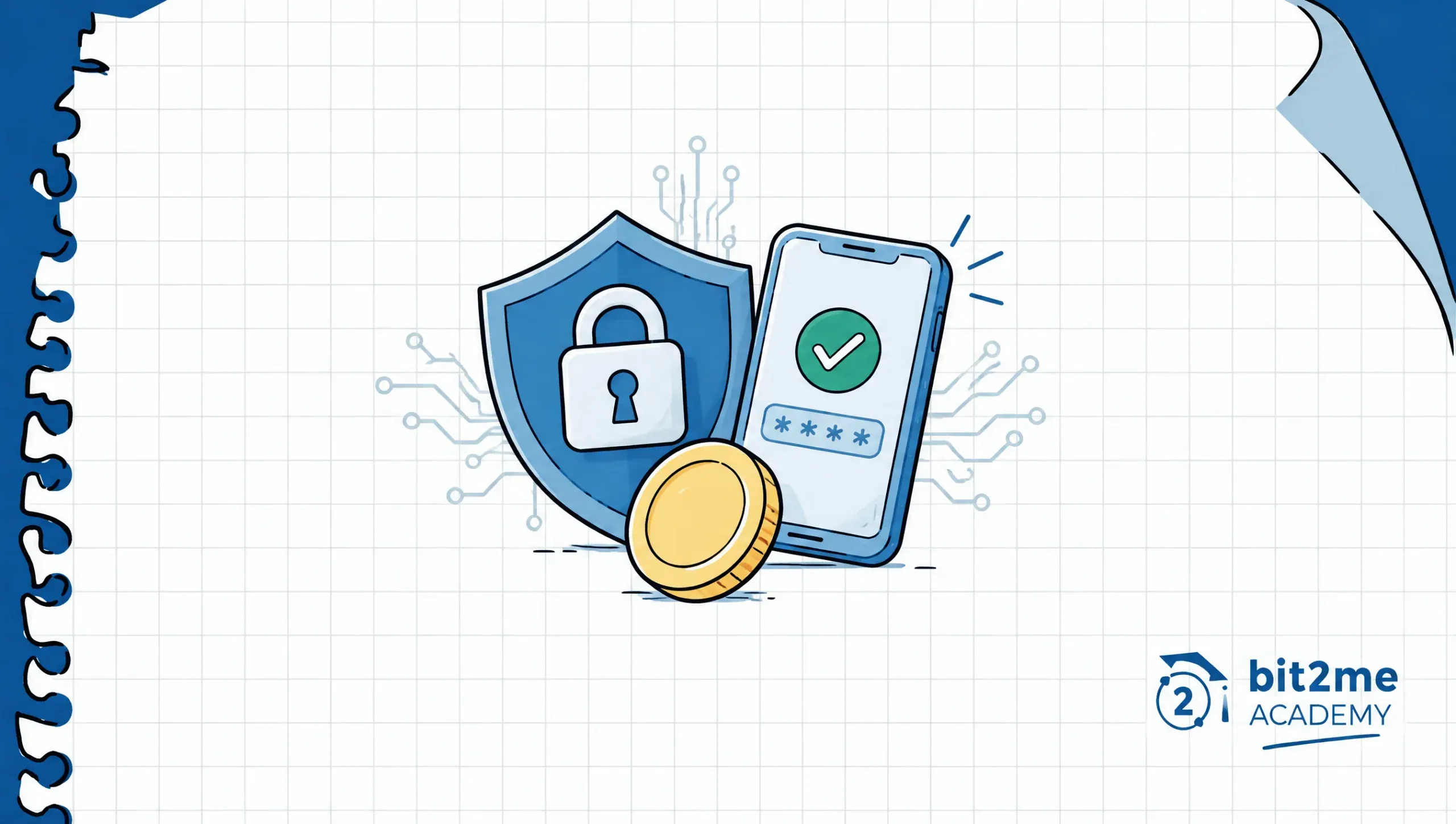
Another important step is to select secure platforms, choosing cryptocurrency exchanges and wallets with a good reputation and strong security measures. Investigate user reviews and expert recommendations to ensure you're entrusting your assets to a reliable provider. Furthermore, don't underestimate the power of two-factor authentication (2FA) or, if possible, enable passwordless options, such as PassKeyAnd activating this additional layer of security can make all the difference, protecting your account from unauthorized access.
Attitude also plays a key role. Adopt a skeptical stance, avoiding blindly trusting information you find online. Verify every piece of information from multiple sources before making any decision, and don't be influenced by hype or exaggerated promises. Finally, remember that the world of cryptocurrencies is constantly evolving. Therefore, stay up-to-date with the latest news, trends, and scams to always stay one step ahead and better protect your digital assets.
Finally, be wary of unsolicited offers containing phishing links or fake investment schemes, and avoid mixing online dating with investment advice. If someone you meet on a dating site or app offers you investment advice or asks you to send them cryptocurrency, be certain it's a scam.

Common Types of Cryptocurrency Scams and How to Avoid Them
Scammers display disturbing creativity, constantly adapting their tactics to take advantage of new trends and vulnerabilities in the cryptocurrency world. However, despite constant evolution, many crypto scams follow common patterns, making them easy to identify and prevent.
Ponzi and Pyramid Schemes
These fraudulent schemes are based on the promise of high short-term returns, but their actual operation is unsustainable: they pay initial buyers with money contributed by new participants. This model can only function as long as there is a steady flow of new buyers, but it inevitably collapses when recruitment stagnates, leaving most participants with significant losses. They resemble a pyramid scheme, where organizers offer participants the opportunity to earn large sums by attracting more people to the scheme.
To avoid falling into this trap, it's essential to be wary of any opportunity that seems too good to be true. Thoroughly investigate the project and its business model, seeking information about how profits are actually generated. Be wary if the emphasis is on recruiting new members rather than offering a legitimate product or service.
Fake Initial Coin Offerings (ICOs)
Initial Coin Offerings (ICOs) are a common method for new cryptocurrency projects to raise funds. However, scammers have taken advantage of this popularity to create fake cryptocurrencies and promote them through fraudulent ICOs. They raise funds from buyers but never develop the promised project, or simply disappear with the money, leaving buyers with worthless tokens.
To protect yourself from this type of scam, thoroughly investigate the team behind the project and analyze their track record. Examine the whitepaper (technical document) of the project, looking for signs of plagiarism or a lack of technical rigor. Be wary of exaggerated promises and a lack of concrete details about the technology and the development plan. Participate in the project community and ask critical questions to assess the team's transparency and credibility.
Pump and Dump Scams
Pump and Dumo scams are scams based on market manipulation. Scammers artificially inflate the price of a low-cap cryptocurrency (pump) through deceptive advertising and misinformation. They create a false sense of demand and excitement, attracting unsuspecting buyers who fear missing out (FOMO). Once the price reaches a certain level, the scammers sell their holdings (dump), reaping huge profits at the expense of those who bought at the peak. This scheme primarily targets small amounts of cryptocurrency, where price manipulation is easier.
To avoid falling victim to a "pump and dump," be cautious about news and rumors that drive a cryptocurrency's price. Research the project and its technology before buying, and don't let the fear of missing out hold you back. Set a target price and sell your holdings when you reach it, without being swayed by hype.
Phishing and Fake Websites
Scammers use phishing techniques to steal personal information and login credentials for cryptocurrency platforms. They create emails, messages, or websites that mimic legitimate platforms, trying to trick you into revealing your sensitive information, such as passwords or private keys.
To protect yourself, always verify the website address before entering your personal information, ensuring it matches the platform's official address. Do not click on suspicious links received via email or text message, and enable two-factor authentication (2FA) or Passkey on your accounts to add an extra layer of security. Use a password manager to generate strong, unique passwords for each platform, and avoid reusing passwords across different websites.
Romantic Scams ("Pig Butchering")
romance scams These scams are the most insidious, as they exploit the emotions and trust of their victims. Scammers establish online romantic relationships with their victims, dedicating time and effort to gaining their trust [0, 1]. Once they have established an emotional bond, they convince them to buy cryptocurrencies through fake platforms they control.
To avoid falling victim to a romance scam, be cautious when meeting people online and don't reveal too much personal information too soon. Don't send money or invest in cryptocurrency if you're unsure of the person's or platform's legitimacy, and be wary of investment advice from people you meet online, especially if they pressure you to buy quickly.
Impersonation
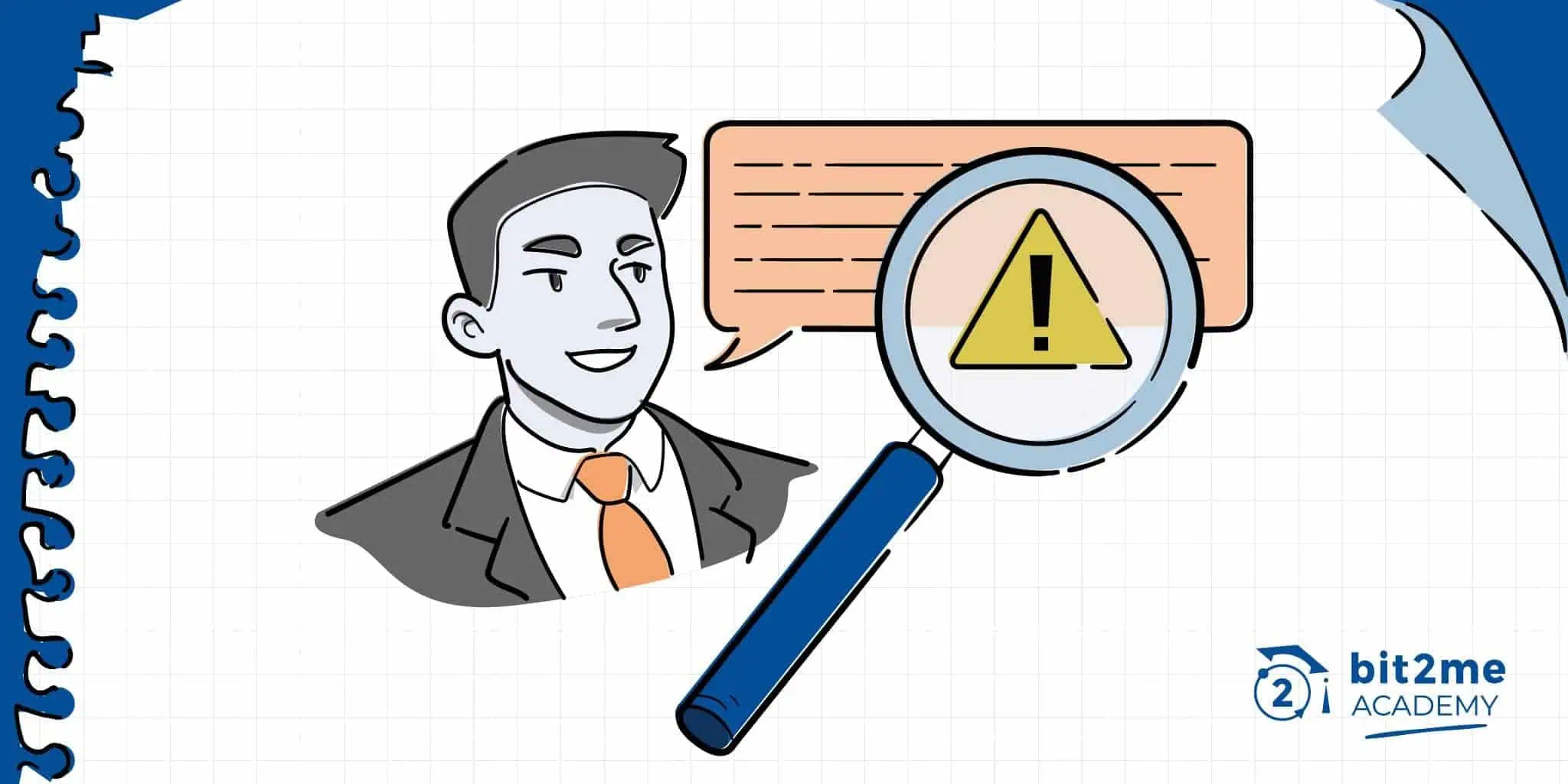
Scammers often pose as public figures, legitimate businesses, or customer service representatives to deceive victims. They use fake social media profiles, emails, or text messages to solicit money or personal information, taking advantage of the trust victims place in these entities.
To protect yourself, always verify the identity of the person or company contacting you, especially if they request money or personal information. Contact the company directly through their official channels to confirm the legitimacy of the request, and ignore communications that appear suspicious or unsolicited.
Fake Tech Support Scams
In these scams, criminals pose as technical support staff for cryptocurrency exchanges or digital wallets. They contact victims by phone, email, or chat, falsely informing them that they are having an issue with their account and requesting remote access to their device or asking them to reveal personal information to "fix" the problem.
Never allow anyone to remotely access your device and never share your personal information with anyone via phone, email, or chat. If you have an issue with your account, contact the exchange or wallet's official support directly through their verified channels.
Fake Cloud Mining Scams
Scammers offer "cloud mining" services that promise high returns without the need to purchase expensive hardware. However, they don't actually own any mining equipment and simply take the buyers' money, exploiting their victims' lack of technical knowledge.
Thoroughly research the cloud mining company and its reputation before buying. Be skeptical of promises of high returns and don't invest more than you're prepared to lose. Consider buying your own mining equipment if you want to participate in cryptocurrency mining, rather than relying on unverified third-party services.
Fake Airdrops and Giveaways Scams
Airdrops (free distribution of cryptocurrency) are used by some projects to promote their tokens and attract new users. However, scammers have leveraged this strategy to advertise fake airdrops and giveaways, aiming to steal personal information or cryptocurrency from victims.
Always verify the legitimacy of the airdrop or giveaway on the project's official website before participating. Don't send cryptocurrency or provide personal information unless you're certain the airdrop is legitimate, and be wary of ads on social media or unofficial websites.
Generative AI scams
Generic AI scams in the crypto sector are highly sophisticated frauds that use technologies such as deepfakes (videos or audios that impersonate public figures like Elon Musk or CEOs of exchanges) and advanced chatbots to create a false sense of legitimacy and urgency in investment promises.
Unlike traditional scams, AI allows criminals to automate personalized phishing messages and generate websites or white papers with an impeccable professional appearance, designed to steal private keys or induce deposits on fake platforms.
To protect yourself, it is essential to apply the principle of "distrust by default": Always verify any offer through independent official channels, pay attention to visual anomalies in videos (such as strange blinking or lack of lip sync), and above all, remember that no legitimate entity will ask for your seed phrases or advance payments to "release" guaranteed profits.
Address Poisoning
Address poisoning is a social engineering technique that exploits the habit of copying addresses from transaction history to deceive even experienced users. The attacker uses address generators to create a "vanity" wallet that visually mimics the beginning and end of your own address or that of a frequent contact, and then sends you a negligible amount of tokens (dusting) so that their address appears in your recent activity list.
The danger lies in the fact that, when making a new shipment, you could mistakenly copy the scammer's address instead of the correct one; to protect yourself, never copy addresses from your history and always manually verify each character or use an address book saved within your wallet.
Clipboard Hijacking
This type of scam uses specialized malware that infiltrates your device through suspicious downloads or compromised browser extensions to constantly monitor the clipboard.
The moment the software detects that you've copied a text string formatted as a cryptocurrency address, it silently replaces it with the attacker's address before you paste it into your sending platform. To avoid losing your funds, it's vital to perform a thorough visual verification of the address after pasting it and before confirming the transaction, as well as keeping your antivirus software up to date and avoiding installing software from unofficial sources.
Malicious Approval Scams in DeFi
In the ecosystem of the decentralized finance (DeFi)Scammers use fake websites that mimic legitimate protocols to ask you to sign approval messages or transactions (such as the Permit2 standard or off-chain signatures).
By signing, often without realizing it because the message seems harmless and doesn't consume gas, you're granting unlimited permissions to a malicious smart contract so it can transfer and "empty" all the tokens in your wallet at any time in the future. To protect yourself, be wary of any signature requests on new websites and use tools like Revoke.cash to audit and revoke granted permissions, and consider using hardware wallets to manage your primary assets.
 Certificate
What to do if you have been a victim of a scam?
If you suspect you've been the victim of a cryptocurrency scam, it's critical to act quickly and follow these steps:
- Gather all relevant information about the scam, including emails, messages, web addresses, usernames, and wallet addresses. This information will be crucial for authorities and cryptocurrency platforms when investigating the case.
- Contact the appropriate authorities to report the scam. You can file a report with your local police or the appropriate authorities in your country or area.
- If the scam involved a cryptocurrency platform, immediately inform the exchange or wallet, providing all the details you've gathered. The platform may take steps to freeze the scammer's account and prevent further harm to other users.
- It's important to alert other users about the scam by sharing your experience on forums and social media. This way, you can help prevent others from falling into the same trap.
- Finally, protect your accounts by changing your passwords and enabling two-factor authentication on all your accounts. Be wary of anyone offering to recover your funds for a fee, as they are often scammers taking advantage of their victims' vulnerabilities.
Stay vigilant and protect your digital assets
In short, cryptocurrency scams pose a constant threat, but with the right knowledge and preventative measures, you can protect your cryptocurrencies and avoid falling victim to these frauds. Prevention is the best defense, so I recommend staying informed about the latest scammers' tactics, being skeptical of promises of easy profits, and thoroughly researching any investment opportunity before committing your money.
Remember that in the world of cryptocurrency, security is a personal responsibility. Stay vigilant, protect your digital assets, and don't let scammers take advantage of your trust.



 Author