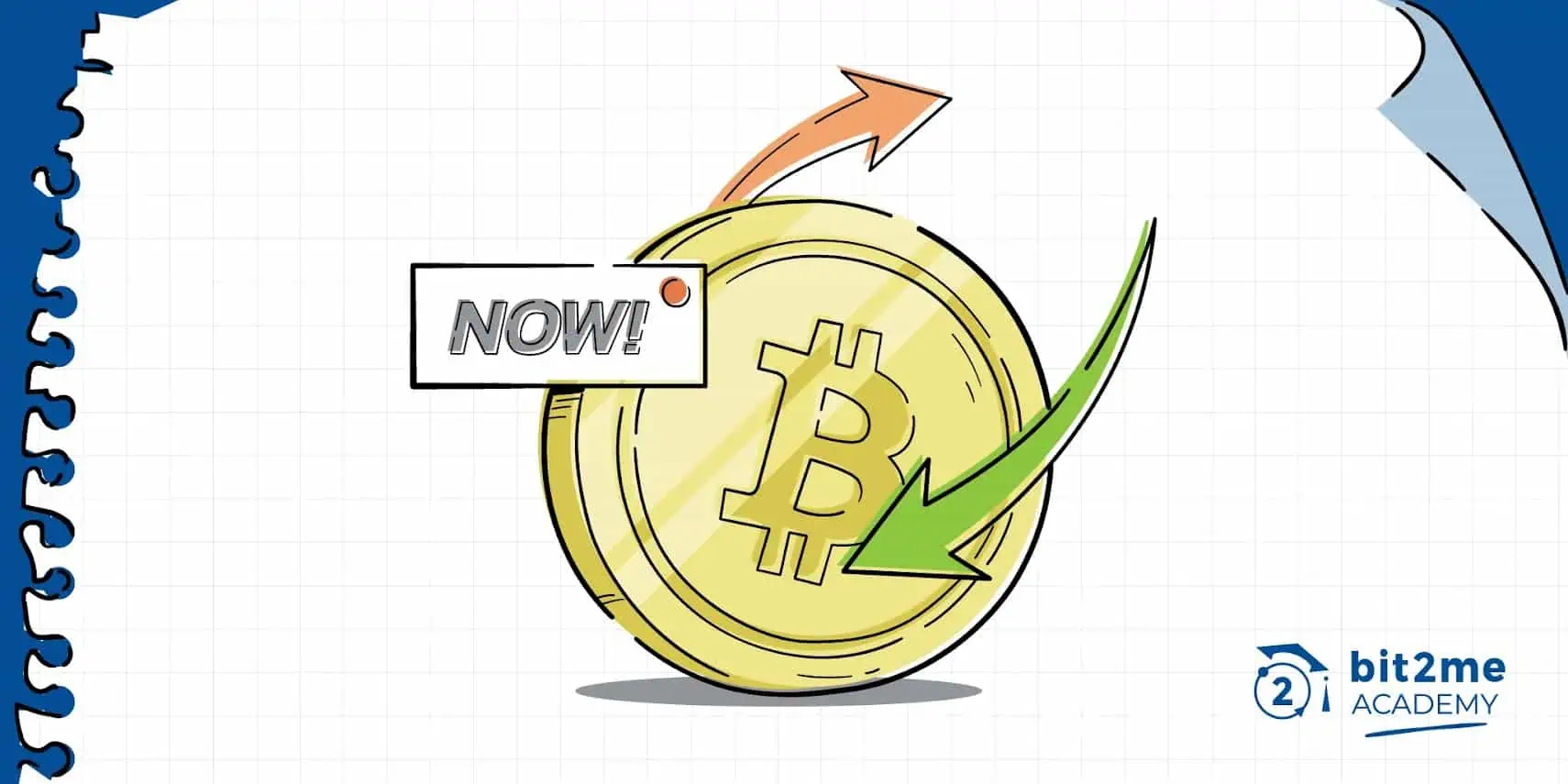
- The spot market is the financial environment where buying and selling transactions are carried out with immediate delivery, setting the price at the current moment and settling the transaction instantly ("in cash") unlike futures markets.
- Trading in a spot market involves acquiring real and direct ownership of the asset (such as cryptocurrencies or stocks) using available capital, giving the user immediate rights to transfer, hold, or use it, rather than speculating with derivatives.
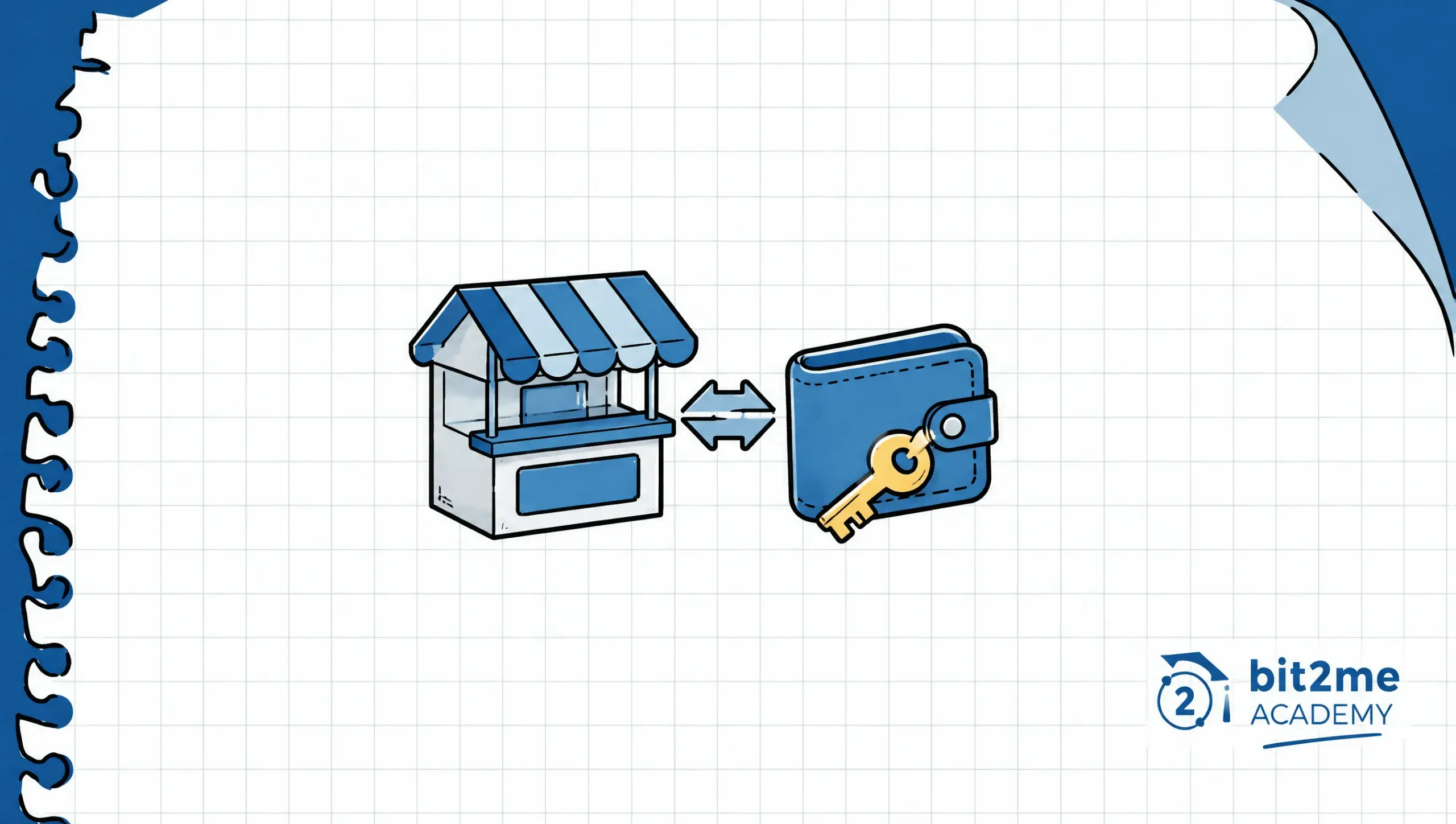
- Once the transaction is completed, it is essential to manage the custody and security of the acquired assets, deciding whether to keep them in the platform's wallet for greater agility or withdraw them to an external wallet (self-custody) to guarantee total long-term control.
What is a spot market?
A spot market, also known as a cash market, is a public financial market in which financial instruments or commodities are traded for immediate delivery.
The defining characteristic of this type of market is that the settlement of transactions occurs at the moment or within a very short period after the execution of the order, usually within two business days in traditional markets and almost instantaneously in digital marketsThe price at which assets are traded is called the "spot price" and reflects the current valuation of the asset based on supply and demand at that precise moment.
The logic behind this market is simplicity and immediacy. Participants, who can be individuals or institutions, interact directly to exchange assets. There are no default leverage or complex margins; if you want to buy a specific amount of an asset, you must have the full capital to cover that purchase.
This makes it the ideal entry point for most investors, as it eliminates the complexities of derivatives contracts and focuses exclusively on holding the underlying asset.

Spot market in the crypto environment
In the cryptocurrency ecosystem, the spot market takes on a unique dimension due to the digital and decentralized nature of the assets. Unlike traditional stock markets, which have opening and closing times, the cryptocurrency spot market operates 24/7.
This allows for virtually instantaneous settlement of transactions thanks to technology. blockchain, eliminating the typical business day waiting times of traditional banking.
When you buy Bitcoin o Ethereum In the spot market of an exchange, you are buying the actual tokens. The exchange updates the internal account balances immediately, reflecting that ownership of those coins has passed from the seller to the buyer.
This is crucial because it allows the user to withdraw those cryptocurrencies to a private wallet at any time, something that is not possible with synthetic products or futures where only the price variation is traded and not the asset itself.
 Certificate
How to trade in a spot market (step by step)?
Step 1: Choose an asset to trade
The first logical step is to research and select the asset. Before investing any money, the investor should analyze which cryptocurrency or token they wish to acquire based on its fundamentals, market capitalization, and trading volume.
It is vital to choose assets that have sufficient liquidity in the spot market to ensure that the purchase or sale can be executed quickly without drastically affecting the price.
Step 2: Create a trading account that allows spot trading and deposit funds
To participate, you must register on a trusted exchange platform that offers spot market services. This process typically requires identity verification (KYC) to comply with current regulations.
Once the account is activated, the user must deposit funds, either in fiat currency (such as euros or dollars) via bank transfer or card, or by depositing other cryptocurrencies that will serve as the basis for the exchange.
Step 3: Select the trading pair
Assets in the spot market are traded in pairs. The user must find the pair that corresponds to the funds they have deposited and the asset they wish to buy.
For example, if a user has deposited euros and wants to buy Bitcoin, they must select the BTC/EUR pair. The first currency in the pair is the base currency (the one being bought or sold), and the second is the quote currency (the one used to pay).
Step 4: Choose the order type
There are primarily two ways to execute the transaction. The market order is the simplest and fastest, as it buys the asset immediately at the best price available at that moment in the order book.
On the other hand, a limit order allows the user to set a specific maximum price at which they are willing to buy. The trade will only be executed if the market reaches that price, offering greater control over the entry cost.
Step 5: Manage your assets
After the order is executed, the asset will appear in the user's account balance. At this point, the purchase transaction is complete, but portfolio management begins.
The user must decide whether to keep the assets on the exchange for short-term trading or, for security reasons, prefer to send them to a self-custody wallet for long-term storage.
Practical example of spot market trading
Let's imagine a user named Carlos who has €1.000 and wants to invest in Bitcoin because he believes its value will rise. Carlos logs into his trusted platform, searches for the BTC/EUR pair, and sees that the current price of one Bitcoin is €30.000. Wanting to secure the purchase immediately, he selects a "Market Order" and enters the full amount of his euros.
Upon confirming the transaction, the platform matches his buy order with the cheapest sell order available in that millisecond. Almost instantly, the €1.000 is deducted from his euro balance, and he receives the corresponding fraction of Bitcoin (approximately 0,033 BTC) in his spot wallet. Now Carlos is the true owner of those satoshis and can decide whether to sell them later if the price rises to €35.000 or withdraw them to his cold wallet to store them for years.
Advantages and risks of trading in spot markets
Main advantages of spot markets
The biggest advantage of the spot market lies in its simplicity and transparency, as prices are easy to understand and reflect real supply and demand. Furthermore, it offers tangible ownership of the asset, allowing investors to use their cryptocurrencies for other purposes, such as payments, staking, or external transfers.
It is also a lower-risk environment compared to margin trading, since in the spot market there is no risk of forced liquidation due to leverage; an investor can maintain their position indefinitely no matter how much the price falls, hoping for an eventual recovery.
Risks of operating in a spot market
Despite its apparent security, the spot market is not without its dangers. The main risk is market volatility; if the price of the purchased asset falls sharply, the investor's capital value decreases proportionally.
Furthermore, because the asset requires custody, there is a technological and security risk if the funds are held on an exchange that could be vulnerable to cyberattacks, or if the user loses their personal wallet's private keys. Unlike futures, it's not easy to profit in a bear market unless you sell before the price drops.
Differences between the spot market and the futures market
The fundamental distinction between the two markets lies in ownership and settlement time. In the spot market, transactions are settled instantly and the buyer receives actual possession of the asset.In contrast, the futures market trades contracts that represent the value of the asset for a future date, but the asset itself is not exchanged during the negotiation.
Another key difference is the use of leverageWhile the spot market relies on equity trading (1:1), the futures market allows traders to trade with borrowed money, multiplying both potential profits and losses. Furthermore, futures allow for easy long and short positions, whereas in the traditional spot market, profits are only realized if the asset price increases after purchase.
Basic tips before spot trading
To trade successfully in the spot market, it's essential to adopt a risk management and planning mindset. Never invest money you're not prepared to lose or that you need for essential short-term expenses.
A highly recommended strategy for mitigating volatility is the DCA (Dollar Cost Averaging)which consists of making regular purchases of fixed amounts instead of trying to guess the best time to enter with all the capital.
Likewise, continuing education and safety are fundamental pillars. Before purchasing any asset, it is imperative to thoroughly research the project (DYOR) and not be swayed by the fear of missing out (FOMO).
Finally, securing your account with two-factor authentication (2FA) and understanding the differences between leaving funds on the exchange or personally safeguarding them will make all the difference in preserving your wealth in the long term.

 Author