Essential Points
- Focus on real-world utility: The market has evolved from simple "hype" for profile pictures to assets with practical utility, such as software licenses, intellectual property rights, or access keys to AI infrastructures.
- Security and Self-Custody: The use of hardware wallets and protocols like Web3 Auth is emphasized to avoid vulnerabilities. The golden rule is total sovereignty: if you don't possess the physical keys, you're not the true owner of the asset.
- Optimized purchasing process: OpenSea now operates as a multi-network aggregator. It is recommended to operate in Layer 2 to reduce network fees (gas fees) and to always verify the legal rights and licenses associated with the smart contract before signing.
- Use of regulated platforms: For greater financial security and tax transparency (especially in Spain), it is suggested to use Bit2Me as an entry ramp to buy crypto assets with fiat money before transferring them into personal custody.
If you still think buying a non-fungible token is about collecting profile pictures for speculation, you've missed the best part. After the market's extensive cleanup, we're no longer looking for the simple "hype" of yesteryear; we're looking for real utility, ownership of AI infrastructure, and above all, security.
OpenSea, the largest NFT aggregate
OpenSea is no longer the neighborhood store it was three years ago. Now, this dApp functions as a true command center connecting dozens of networks, having survived the purge of platforms that only offered empty speculation.
If you're looking for a crypto asset that represents a license, intellectual property rights, or exclusive access to AI nodes, this remains the most logical starting point. But do we really need the market to be more complex? Probably not, but network fragmentation has forced OpenSea to evolve into a universal liquidity aggregator.
Today, the platform doesn't just display images; it interprets complex metadata. We no longer buy "art" in isolation, but rather access keys to software ecosystems that, as we know, are being devoured by AI. In this environment, OpenSea acts as the verifier of that digital legitimacy.
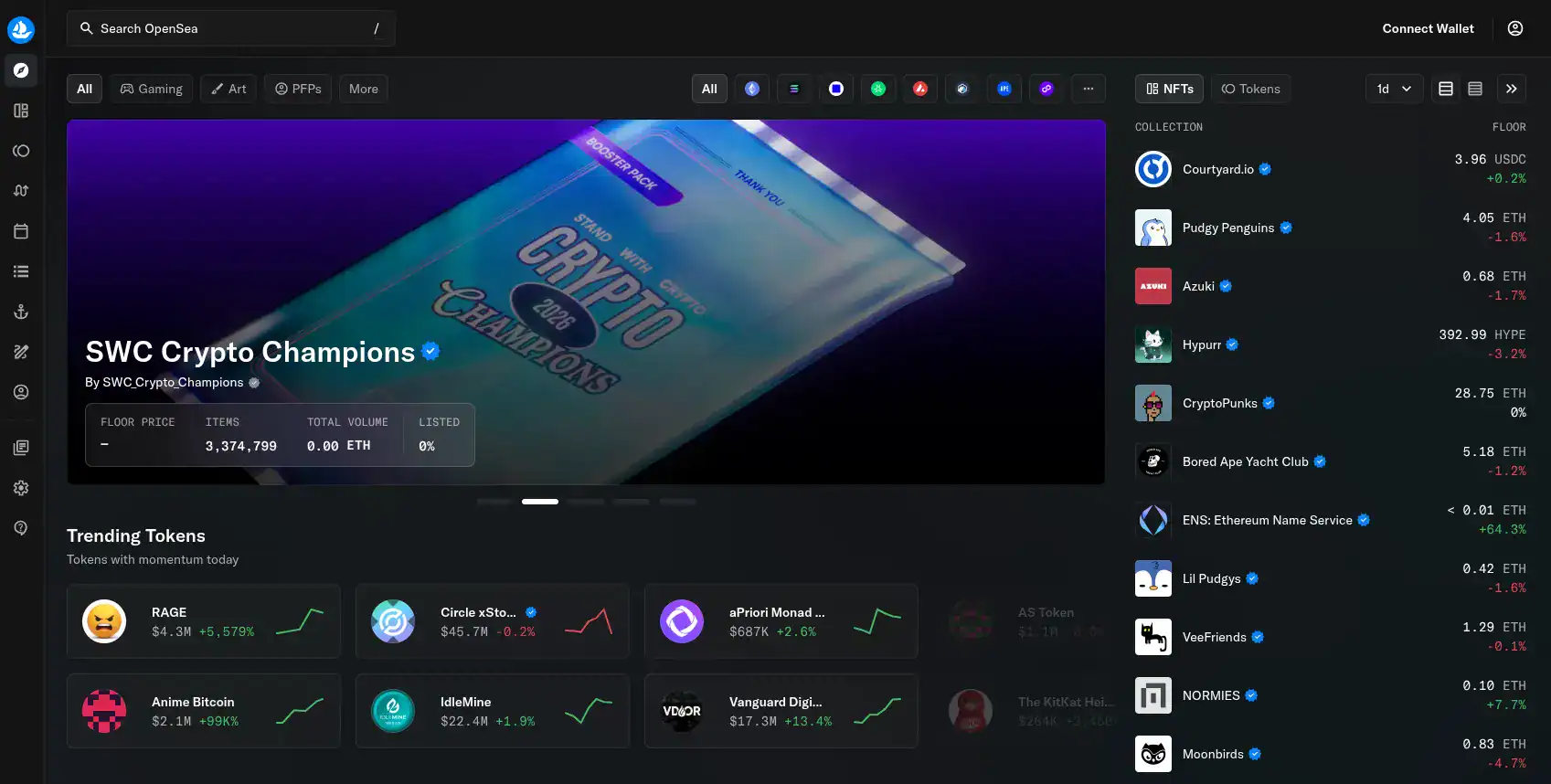
Step by step in OpenSea
Secure connection and trusted protocols
First, forget about the vulnerable browser extensions that dominated 2024. At this point, operating without execution isolation is financial suicide. Connect your hardware wallet using the Web3 Auth protocol.
This is a golden rule: if you don't have the physical keys in your possession, you don't own anything; you're just a guest in someone else's database.
Furthermore, blind transaction signing is a thing of the past; make sure your device clearly displays what permission you're granting to the smart contract. This serves a clear purpose: Maintain the highest level of security in your operations to avoid future problems.
Filtered by utility and the end of the "hype"
It uses the platform's new "Rarity" feature, added thanks to the arrival of the OpenRarity protocol. In this scenario, where AI generates millions of digital assets per second, artificial scarcity is dead.
What matters now is origin and function. Don't buy anything that doesn't have a smart contract audited by reputable cybersecurity firms. Look for assets that offer real returns or access to computing services; any token that only promises "community" is usually a liquidity trap for the unwary.
Purchase execution and fragmentation management
Once the asset is selected, it verifies the source chain. Although OpenSea is network-agnostic, the costs are not.
If you buy on the Ethereum mainnet, make sure you have enough funds to cover network fees (gas), which can still be monumental shocks during peak activity.
Ideally, you should look for executions in second-generation layers (Layer 2) or through account abstraction protocols that allow you to pay the fees with the same digital asset you are acquiring.
Verification of related rights and licenses
Before confirming, expand the "Property Rights" tab. Many users mistakenly believe that purchasing the token grants them full intellectual property rights. In today's ecosystem, most assets are subject to scheduled usage licenses.
Verify whether the asset allows commercial use or if it's simply a personal license. You don't want to receive a legal notification for using an asset on your work computer for a commercial project without the necessary permissions.
Extended NFT purchasing process
Asset selection and purchase method
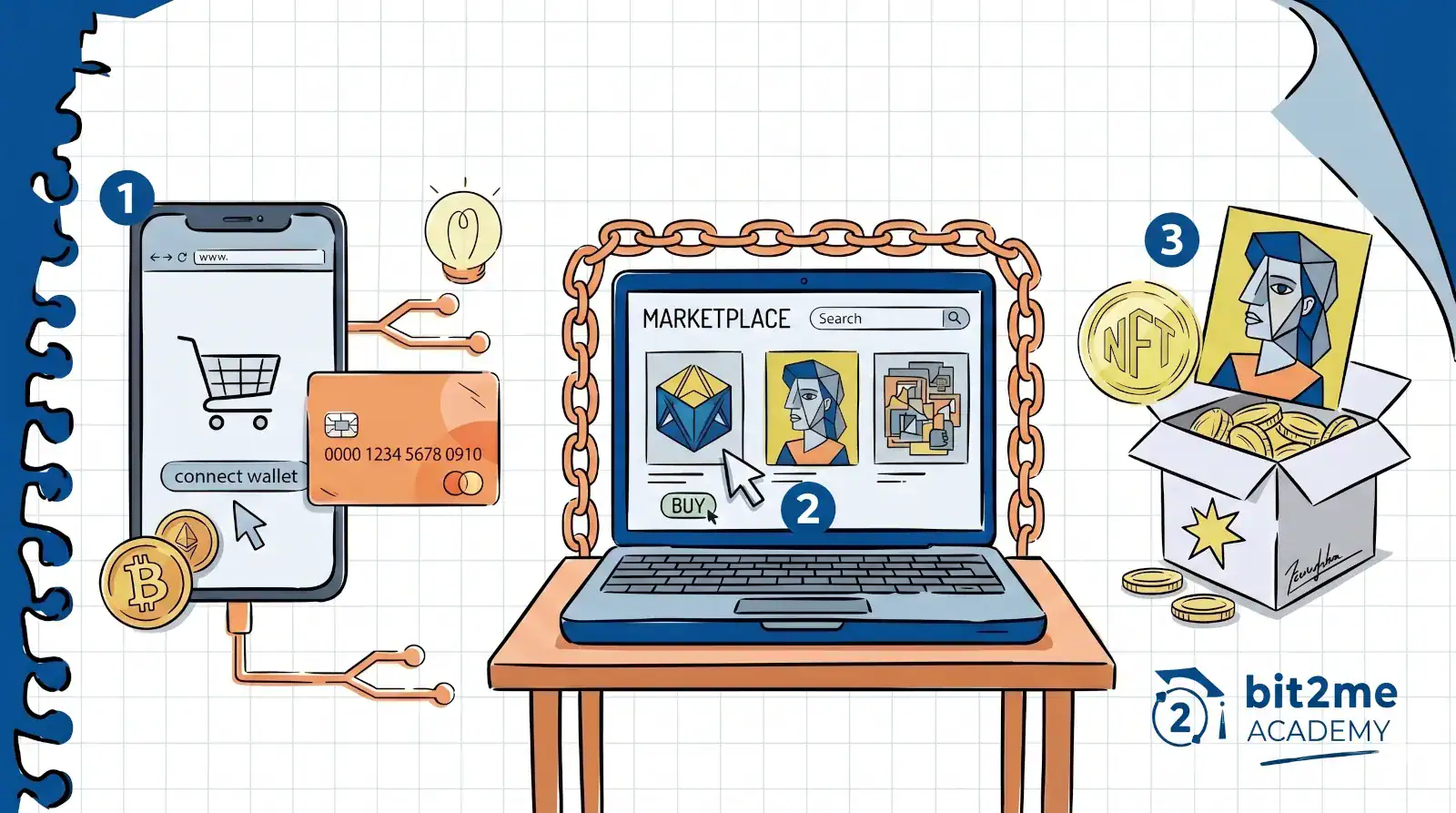
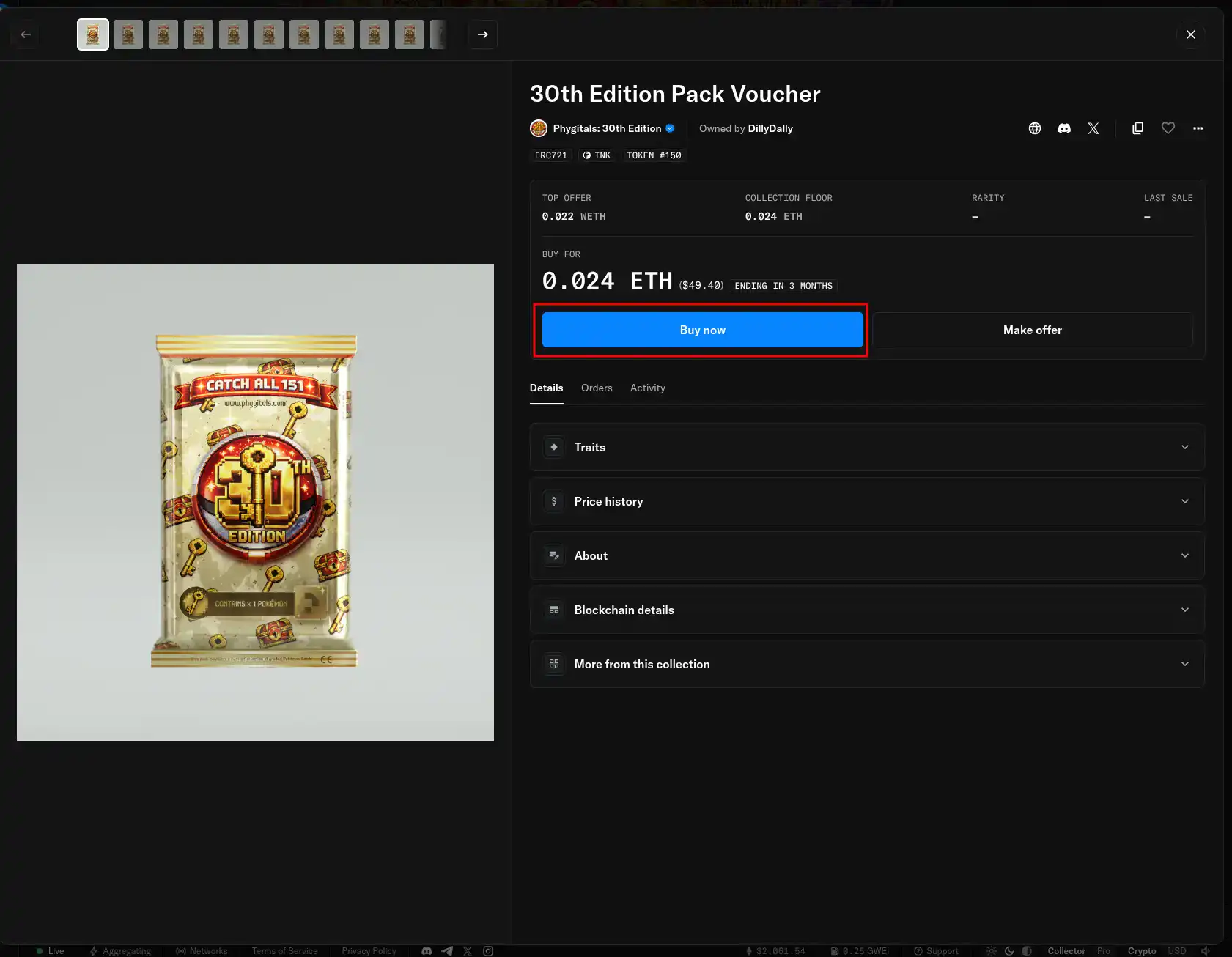
There are several ways to acquire an NFT, but the most direct is "Buy Now" or immediate purchase. By choosing this option, you accept the price set by the seller in advance.
It's the equivalent of buying a product in a conventional online store, avoiding auctions where the price can rise due to competition from other buyers at the last second.
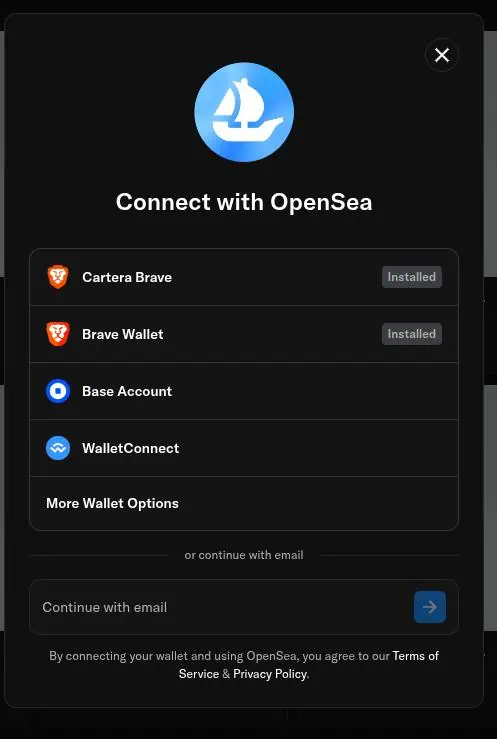
Wallet connection
Your wallet isn't just where you store your assets; it's your access key and digital signature. By connecting it, OpenSea can read what funds you have and, most importantly, send you signature requests.
In 2026, the ideal is to use protocols like Web3 Auth that allow you to securely link your hardware wallet, ensuring that no operation is carried out without your physical authorization.
Choosing the payment method: Crypto vs. Card
If you choose to use a card, processors like MoonPay act as intermediaries. They buy the cryptocurrency for you and send it to the smart contract.
If you prefer to use crypto directly (the most efficient option), make sure you have the network's native asset (such as Ethereum or Polygon) in your wallet. This choice determines the speed and layers of identity verification you'll need to go through.
Analysis of network commissions (Gas Fees)
This is a critical point. The "Gas" fee is not a profit for the platform, but rather payment to the network's validators for registering your property in the global database. During peak periods, these fees increase.
Thanks to Layer 2 networks, these costs are minimal, but you should always check the total before confirming to avoid surprises on your balance.
Identity verification and payment
When paying with traditional (fiat) currency, KYC (Know Your Customer) regulations apply. If it's your first time, the payment processor will ask for a photo of your ID.
This is a security standard to prevent fraud. Once completed, your payment details are processed securely to authorize the conversion of your euros into your desired digital asset.
Blockchain signature and validation
This is the moment of truth. OpenSea will send a notification to your wallet. You must review the details: what you are signing and how much you will pay.
By clicking "Confirm," you send an irreversible mathematical instruction to the network. The OpenSea system will monitor the blockchain until it detects that miners or validators have included your transaction in an official block.
Verification of ownership in the profile
Once the network confirms the transaction, the smart contract automatically transfers ownership of the NFT to your wallet address. At that moment, you cease to be a spectator and become the legal owner of the asset.
You can verify this not only on the OpenSea interface, but on any independent block explorer, which guarantees that your ownership does not depend on a single company, but on decentralized technology.
Bit2MeYour armored entrance ramp
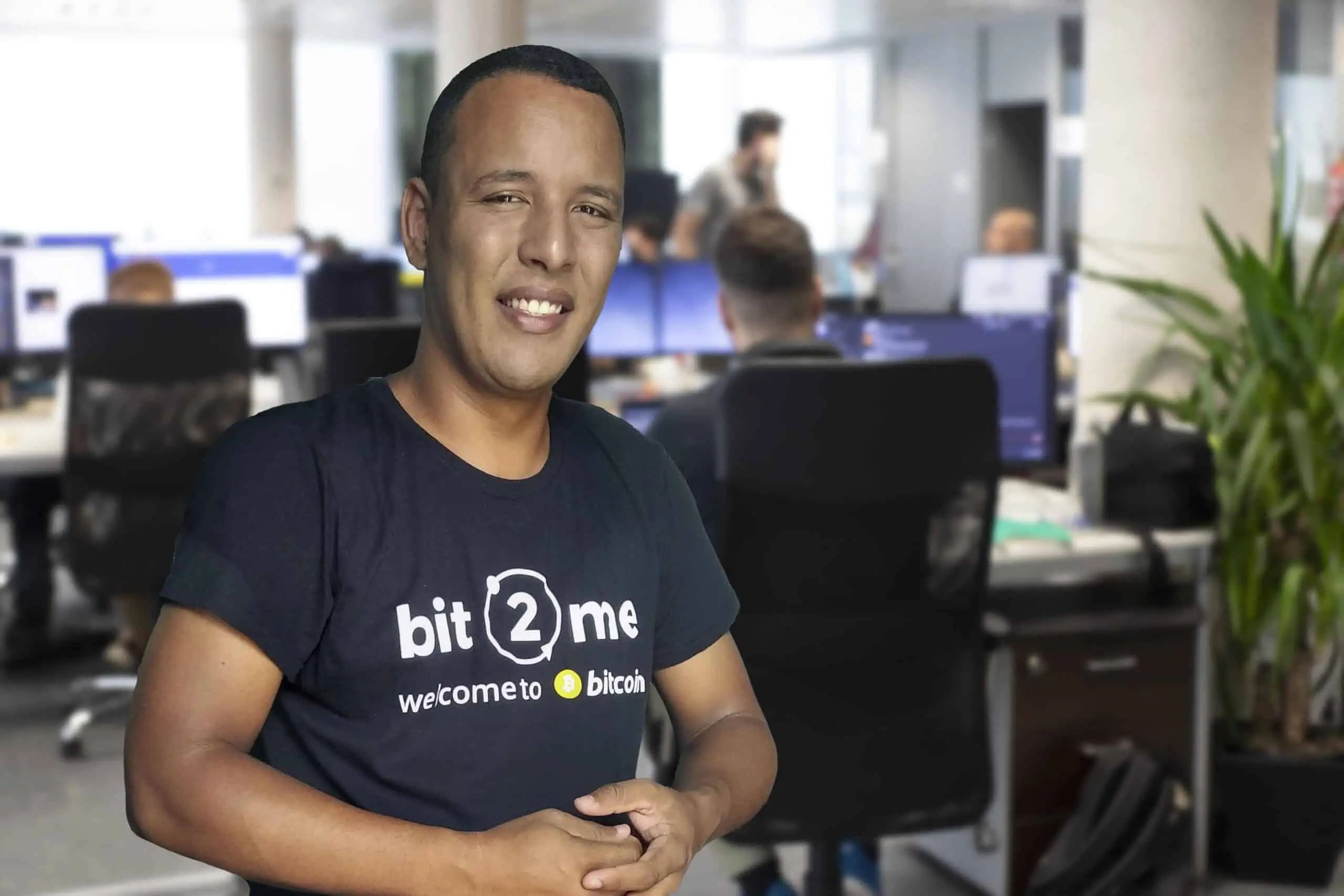
This whole process starts in one place: your bank account. To buy any cryptocurrency on OpenSea, you first need the right "fuel." This is where Bit2Me It becomes a key piece, especially if you operate from Spain and want to avoid headaches with the tax authorities or last-minute regulations.
Having a platform that complies with all the regulations of the Bank of Spain gives you peace of mind that you won't find in opaque exchanges on the other side of the world.
How to use Bit2Me to close the circle
- Acquire assets: Buy Bitcoin or Ethereum directly with your mobile phone at Bit2MeIt's fast and, most importantly, you know where your money is.
- Transfer to self-custody: Once you have your assets in Bit2MeSend them to your personal wallet. This step is what distinguishes an investor from a simple app user: the responsibility for your own keys.
- Return to fiat: When you decide to liquidate your investment, send your profits back to Bit2Me to convert them to euros and use them with your Bit2Me Card in your everyday life. As simple as paying for a coffee with the benefits of an Ordinal.
So, buying an NFT isn't a matter of luck, but of method. Use regulated tools for your financial security and leading platforms for your technological interaction. Are you ready to be the true owner of your digital wealth?
 Author