Essential Points
- Real property (Play-and-Own): Unlike the traditional "license rental" model, Gala Games allows players to truly own their assets (items, land, achievements) through blockchain technology, preventing them from disappearing if the servers are shut down.
- GalaChain Infrastructure: To avoid the high fees and slow speeds of networks like Ethereum, they have developed their own digital highway (GalaChain). This allows for near-instant and inexpensive transactions, while maintaining the freedom to move assets to other networks like BNB or Ethereum if the user wishes.
- Node Governance: The network is not controlled by a central board, but by 50.000 Founder Nodes managed by the community. These operators maintain the system's security and vote on the future of projects in exchange for daily rewards in the GALA token.
- GALA Token Economy: The native asset functions as a reserve currency, a governance tool, and an incentive for infrastructure. It has a deflationary design with an annual halving (every July 21) that reduces issuance by half to promote sustainability and long-term value.
If you've ever dedicated hundreds of hours to a video game only to see your items, achievements, and lands disappear when the server shuts down or you're arbitrarily banned, you understand the problem. The traditional "license rental" model is outdated. Gala Games wasn't born to be just another video game company; it emerged as a hammer blow against the wall separating players from the true ownership of their assets.
The origin of Gala: From FarmVille to Web3
To understand what Gala Games is, you have to look at who's behind its development. Eric Schiermeyer, co-founder of Zynga (the company responsible for getting half the world hooked on FarmVille), knew perfectly well where the social gaming model was failing: the user worked for the platform, but owned nothing.
In 2019, Schiermeyer joined experts like Michael McCarthy to found Gala with a simple but radical premise: the game must be fun first, and the crypto asset must be the tool that guarantees the player's freedom.
It's not about "playing to earn" (Play-to-Earn) as if it were a precarious job, but about "playing and owning" (Play-and-Own). This philosophy allowed them to survive the digital asset winter and emerge in 2026 as one of the most robust infrastructures in the ecosystem.
 Certificate
The architecture of GalaChain: Beyond Ethereum
Although Gala took its first steps under the Ethereum umbrella, anyone who has tried to move a digital asset during times of congestion knows that this network can be a hostile environment. Paying a €50 commission to move a €10 sword is, quite simply, commercial suicide. That's why the deployment of GalaChain (known in its development phases as Project GYRI) was not a whim, but a survival maneuver.
In this way, GalaChain has built a highway designed exclusively for leisure. While other chains try to be everything to everyone, from complex finances to medical records, GalaChain focuses on speed of execution and eliminating friction.
We're talking about near-instant transactions where the token or digital object is transferred in seconds, without you having to struggle with impossible gas configurations or wait for a miner on the other side of the world to validate your game.
But the brilliance doesn't end with speed. The architecture is hybrid by design. Thanks to smart bridges, your crypto assets aren't trapped on an island. If tomorrow you decide you need Ethereum's liquidity or want to move your funds to the Binance network, you can. It's a sovereignty that traditional games will never allow: your ownership is real, it's liquid, and above all, it's yours outside the Gala ecosystem if you so choose.
The engine of the network: Founding Nodes and user sovereignty
If we visualize Gala Games as a sovereign state, the nodes aren't just servers; they're its parliament, its judicial system, and its electrical grid. Forget the classic structure where a handful of executives in a California office decide whether to shut down your favorite game's server. Here, the backbone is a network of 50.000 Founder Nodes managed by people like you, from their homes or private data centers.
Operating a node is, in essence, an exercise in technical and political responsibility. The owners of these licenses not only keep the network running by contributing computing power and storage; they have the final say. A new game wants to join the platform? The nodes vote. The reward distribution needs to be changed? The nodes decide. It's an ecosystem where the user's voice carries measurable weight.
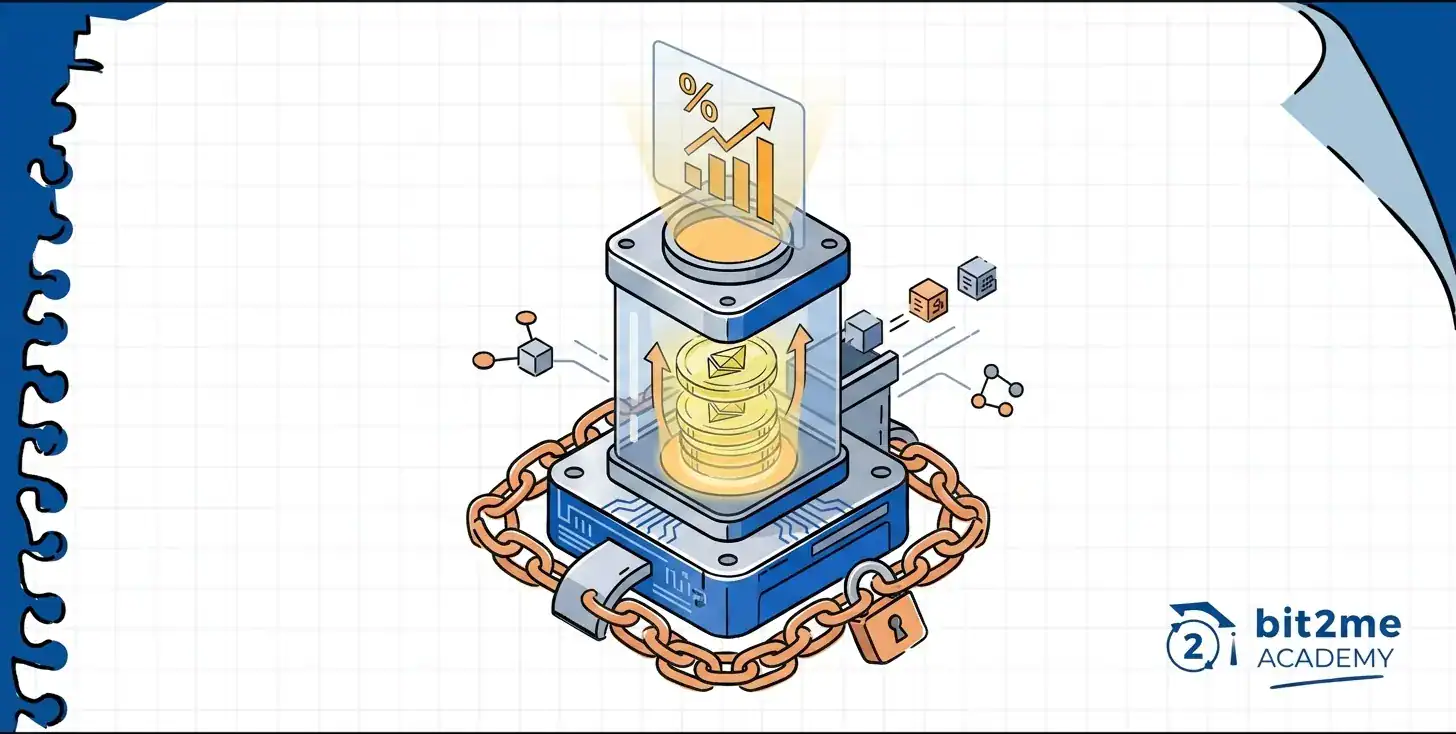
In exchange for this infrastructure effort, the system distributes daily rewards in the native digital asset: the GALA token. It's not a gift; it's payment for an essential security and maintenance service. This creates a symbiotic cycle: the more people use the network, the more value the nodes contribute; and the more robust the network of nodes, the more secure the digital assets we all safeguard. At the end of the day, security here isn't bought with a subscription; it's built by participating in the architecture.
The GALA Token: Much more than a currency
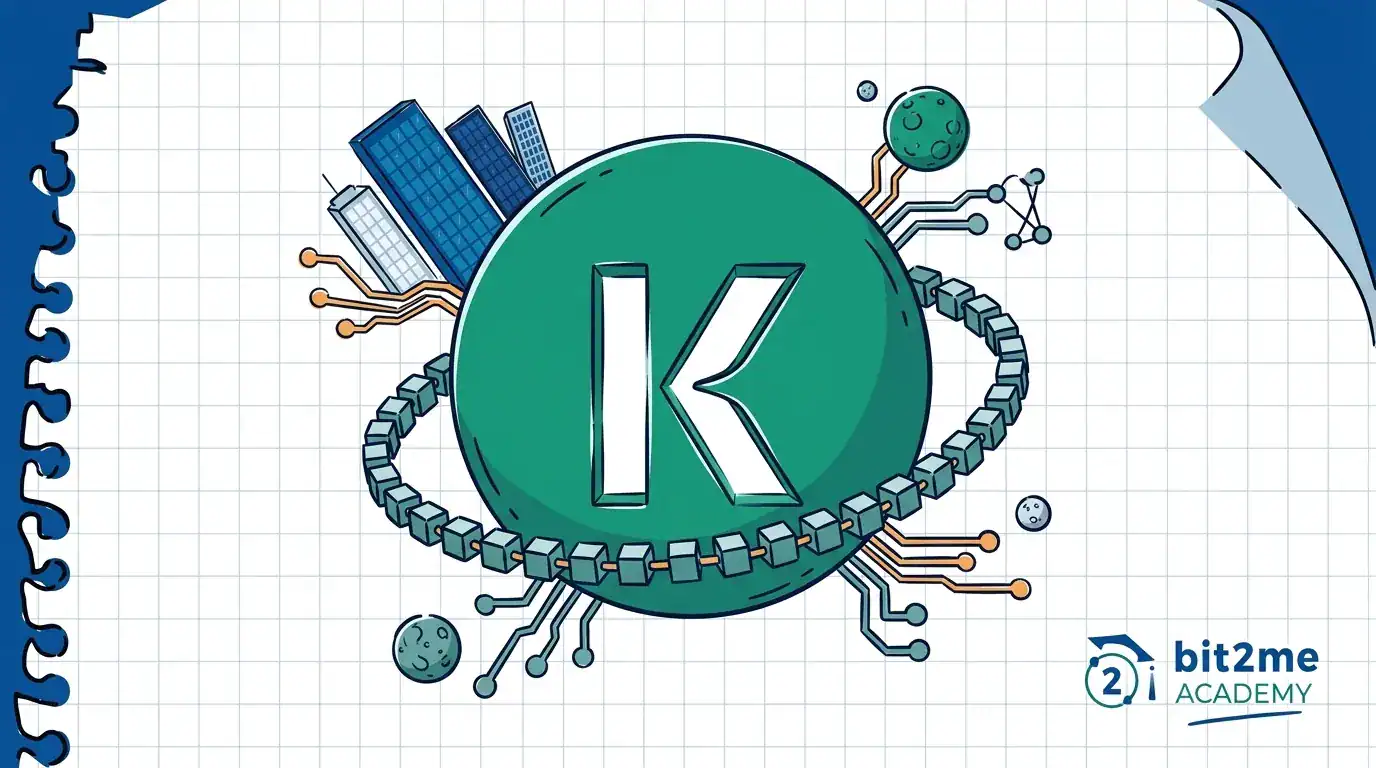
The GALA token is the fuel that makes this whole machine run. But make no mistake: reducing its function to simply buying a skin for your character is like saying oil is only good for making lighters. We're talking about a multi-layered asset that forms the backbone of a circular economy designed to stand the test of time.
Cross-cutting Utility: The axis of the ecosystem
Unlike other projects that create a different token for each game, fragmenting liquidity and confusing the user, Gala has maintained its native asset as the gold standard throughout its infrastructure.
- Unit of Account and Commerce: GALA is the reserve currency in the official store and on secondary markets. Want a tank for Spider Tanks or a plot of land in Mirandus? You need GALA. This constant demand generates organic utility that doesn't depend on speculation, but on the actual use of the platform.
- Infrastructure Incentives: The network isn't maintained for free. Node operators receive their rewards in this cryptocurrency. It's a system of aligned incentives: those who maintain the network receive the asset that the network itself increases in value.
- Active Governance: Owning GALA isn't just about having a mobile balance; it's about having a seat on the board of directors. The community uses its assets to vote on which developers receive funding or which mechanics need adjusting.
Tokenomics: The Engineering of Scarcity
If we analyze its tokenomics, we observe a structure that seeks to avoid the inflationary pitfalls of the "first wave" of blockchain games. Gala Games implemented a maximum supply of approximately 50.000 billion units, but what's truly clever is its issuance mechanism.
Every July 21st, the ecosystem experiences its own ritual: the halving. Following in Bitcoin's footsteps, the amount of GALA distributed daily to nodes and the treasury is cut exactly in half. Why is this vital? Because it introduces programmed deflationary pressure. While traditional money loses value due to uncontrolled printing, GALA becomes harder to obtain with each passing year.
This design rewards long-term investors and penalizes short-term thinking. By reducing incoming supply while the platform expands its catalog of games and services (such as music and movies), the system seeks a price equilibrium that avoids the death spirals that sank so many competitors in previous years. It's not just about economics; it's a statement of intent regarding the sustainability of a project that's here to stay, not just to shine for a summer and disappear.
An ecosystem that devours traditional entertainment
But Gala Games is no longer just about "games." Its expansion into Gala Music and Gala Film demonstrates its goal of the complete disintermediation of culture. Why let a streaming platform take 90% of an artist's profits when fans can co-own the rights to a song through a cryptocurrency?
In the realm of pure software, titles like Town Star and Mirandus have demonstrated that a complex economy can be sustained for years. Mirandus, for example, is an RPG where the players own the towns; if you want to set up a forge, you must pay a fee to the player who owns the land.
It's digital capitalism in its purest and most transparent form. But let's be honest: the blockchain-based gaming sector has been shrouded in smoke and mirrors.
However, Gala Games has survived because it understands that the technology must be invisible. The average user doesn't care about the RPC protocol or proof of stake; what matters is that their legendary sword is theirs and that they can sell it for euros if they decide to stop playing. Thus, Gala is in pole position to solve this, but its success will depend on continuing to prioritize the quality of the game over token speculation.
 Author