Essential Points
- Technological Diversification: Altcoins are not simply copies of Bitcoin; they represent the evolution towards smart contracts, decentralized finance (DeFi), and massive scalability.
- Utility Ecosystem: Unlike digital gold (BTC), assets such as Ethereum or Solana act as infrastructure layers for global applications, giving intrinsic value to the token.
- Risk and Volatility: The altcoin market has a high correlation with Bitcoin, but with amplified volatility, requiring in-depth fundamental analysis before investment.
- Market Maturity: The transition from speculative altcoins to institutionally backed projects defines the current "adoption phase" of the crypto sector.
Bitcoin wasn't just a technical experiment; it was a game-changer. When Satoshi Nakamoto Releasing the software in early 2009, it presented a real alternative to a financial system that had just collapsed. The proposal was clear: a native digital asset, based on a peer-to-peer network, that would allow value to be moved without asking a bank for permission.
Who could have imagined then that this public blockchain would end up being the foundation of a multi-trillion euro industry? The key to its success lay in mathematical reliability. By recording every transaction in a ledger that could be audited by any user from their computer, the traditional intermediary became, overnight, completely unnecessary.
Beyond the shadow of the giant: The role of crypto assets
As the ecosystem matured, the term altcoin became established to label any token or asset other than Bitcoin. It's a practical label, though it sometimes falls short of defining the technical complexity we deal with today. In 2026, trying to count the exact number of active projects is a futile task. Hundreds of new protocols emerge every month, seeking to solve specific liquidity or governance problems.
This proliferation has a very simple technical explanation: the transparency of open source. Since the DNA of Bitcoin and most of its successors is public, any development team can clone a repository, tweak a few variables, and launch a new network. However, copying the code is easy; the difficult part is building a community and network security that won't collapse at the first denial-of-service attack.
Infrastructure as a Service: Ethereum and Smart Contracts
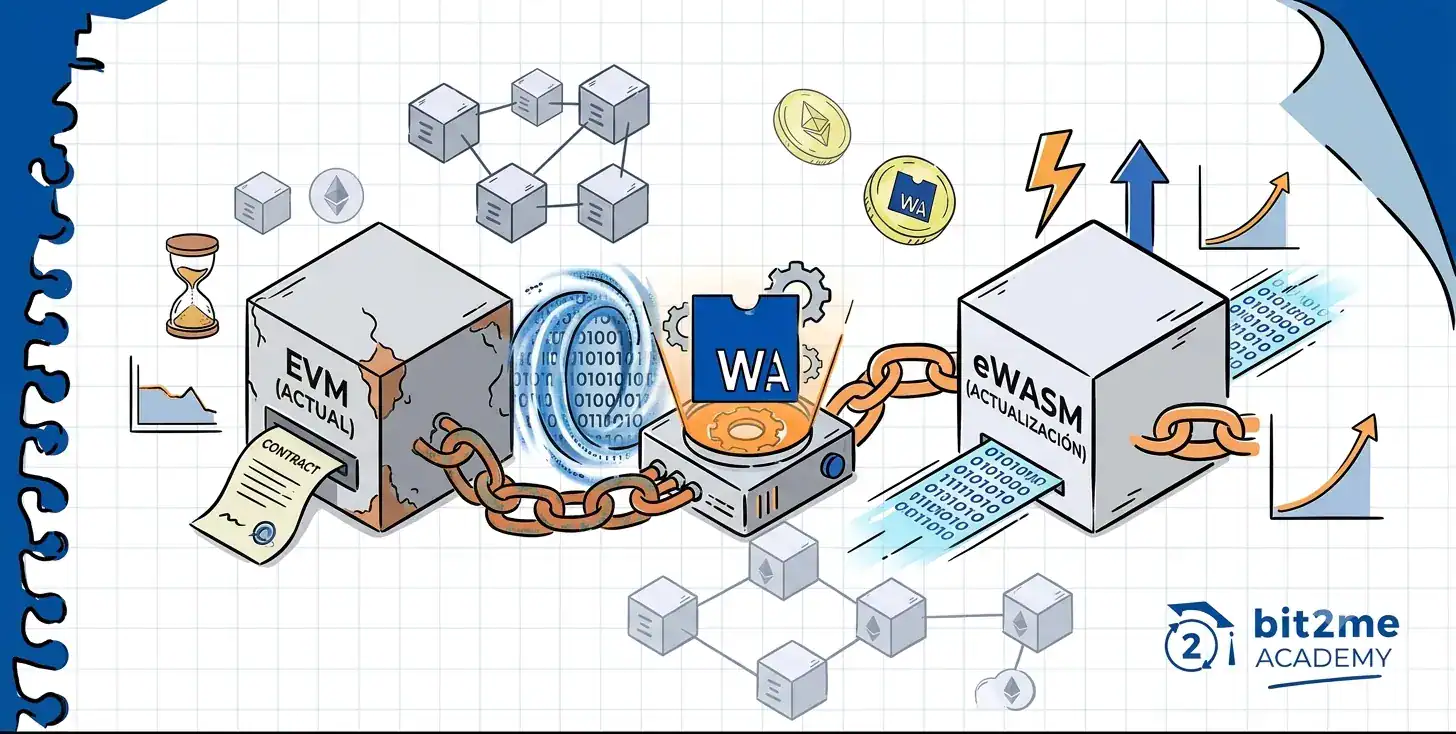
If Bitcoin taught us how to transfer value, Ethereum It gave us the tools to program it. Its greatest contribution wasn't just its native cryptocurrency, but the ability to deploy smart contracts that act like financial Lego bricks. Thanks to this, launching a token no longer requires you to build your own node infrastructure from scratch.
You can build the logic of an entire business model on an existing network, reducing startup costs to a fraction of what they were a decade ago. This ease of securing funding has allowed projects with brilliant ideas (and others that are pure hype) to compete in the same market. Ultimately, technical simplicity is a double-edged sword: it democratizes access, but forces us to be much more skeptical about what we install on our phones.
What do alternative crypto assets really offer?
The digital asset ecosystem didn't stop with the invention of Bitcoin. While Nakamoto's creation laid the foundation, the explosion of alternative tokens and networks has served to expand the boundaries of what we thought was possible. We're not just talking about variations on the same idea, but about a technical architecture that seeks to address the shortcomings of the pioneering protocols and open the door to applications that were once pure science fiction.
A laboratory of constant innovation
Alternative cryptocurrencies are at the forefront of the sector. While the main Bitcoin network prioritizes security and robustness over speed, other protocols have focused on optimizing scalability and energy efficiency. What good is an ultra-secure network if it can't handle thousands of transactions per second without crashing? That's where these projects prove their worth, experimenting with consensus models that consume fewer resources and offer near-instantaneous responses from your computer or mobile device.
Applied functionality: From code to the street
Beyond price charts and social media buzz, these assets have been designed to solve bottlenecks in traditional industry. It's not about speculation, but about applying block logic to everyday problems.
- Food traceability: Knowing exactly which farm the steak on your plate comes from is possible thanks to networks that record every step of the supply chain.
- Logistics and transport: Optimize routes and verify the integrity of goods without the need for endless paper forms.
- Energy management: The possibility of selling the surplus from your solar panels directly to your neighbor using a utility token, eliminating the electricity company from the equation.
Digital sovereignty without intermediaries
The true driving force behind these assets is genuine decentralization. The goal is simply to take control of your data back from large corporations and return it to you. Instead of relying on a central server that can be hacked or censored, we rely on a collaborative network.
Any user can contribute their computing power and receive a reward for keeping the network running. This not only creates more resilient systems; it creates an environment where transparency is not an option, but an intrinsic characteristic. If data is in the chain, it is immutable. You can audit it whenever you want. In a world where misinformation runs rampant, having a mathematical source of truth is, quite simply, a necessary rule change.

What are the uses of Altcoins?
Since their inception, altcoins have sought to go beyond Bitcoin's value proposition as a store of value or digital medium of exchange. Many were born with the ambition to improve technical aspects, introduce new functionalities, or solve specific real-world problems. This diversification has given rise to a rich and multifaceted ecosystem.
- Digital Payments: Like Bitcoin, many altcoins serve as efficient and cost-effective payment methods. Some offer faster transactions, lower fees, or greater scalability, facilitating their adoption in e-commerce and everyday transactions. Projects like Litecoin, for example, were pioneers in optimizing transaction speeds compared to Bitcoin.
- Decentralized Finance (DeFi): This is perhaps one of the areas where altcoins have demonstrated their greatest transformative potential. Platforms built on blockchains that support smart contracts (such as Ethereum, Solana, Cardano, among others) allow for the creation of financial applications without traditional intermediaries. Users can lend, borrow, trade assets, earn interest, and access a myriad of financial services autonomously and globally.
- Smart Contracts: Fundamental to the DeFi ecosystem and beyond, smart contracts are self-executing agreements with the terms written directly in code. They execute automatically when certain predefined conditions are met. These programmable applications open up a range of possibilities, from automating business processes to creating more efficient and transparent markets.
- Privacy: Variants of cryptocurrencies focus specifically on improving the privacy and anonymity of transactions. Using technologies such as zero-knowledge proofs or stealth addressing, these altcoins aim to offer a level of confidentiality that more established cryptocurrencies don't always guarantee, allowing users greater control over their financial information. Coins like Monero and Zcash are prominent examples in this area.
- Non-Fungible Tokens (NFTs): Altcoins, especially those with smart contract capabilities, are the backbone of the NFT phenomenon. These unique tokens represent ownership of digital or physical assets, from digital art and collectibles to virtual real estate and event tickets. NFTs are revolutionizing the way we interact with digital ownership and scarcity in the online world.
- Governance: Many altcoins, particularly those associated with DeFi protocols or blockchain platforms, issue governance tokens. These tokens grant their holders the right to vote on protocol changes, funding allocations, or the project's future direction. This encourages community participation and ensures that the project's development is aligned with the interests of its users.
- Development Platforms: Some altcoin blockchains present themselves primarily as platforms for building new decentralized applications (dApps), ecosystems, or even other blockchains. These "development platforms" offer tools, programming languages, and architectures that make it easier for developers to create and deploy innovative solutions in the blockchain space.
Altcoins with the most relevant project today
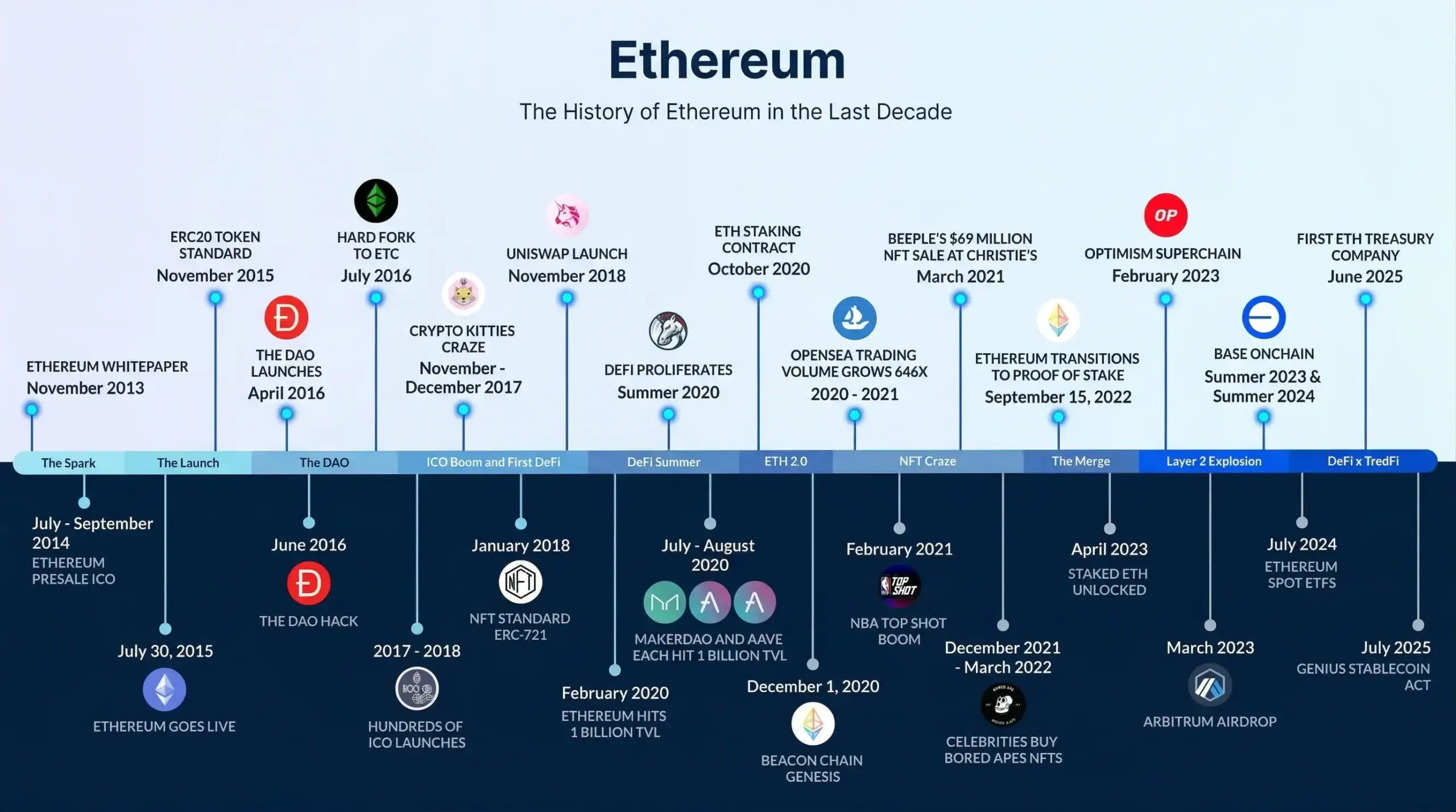
Ethereum
It is a decentralized platform where anyone can develop and publish a Smart Contract. The so-called smart contracts are computer programs that serve to develop agreements between parties that are settled automatically when the agreed elements are met. They also serve for the development of decentralized applications (DApps) u decentralized autonomous organizers (DAOs).
Platform has its own crypto asset, Ether and to add more security, transactions are paid by Gas, which is also used to upload Smart contracts.
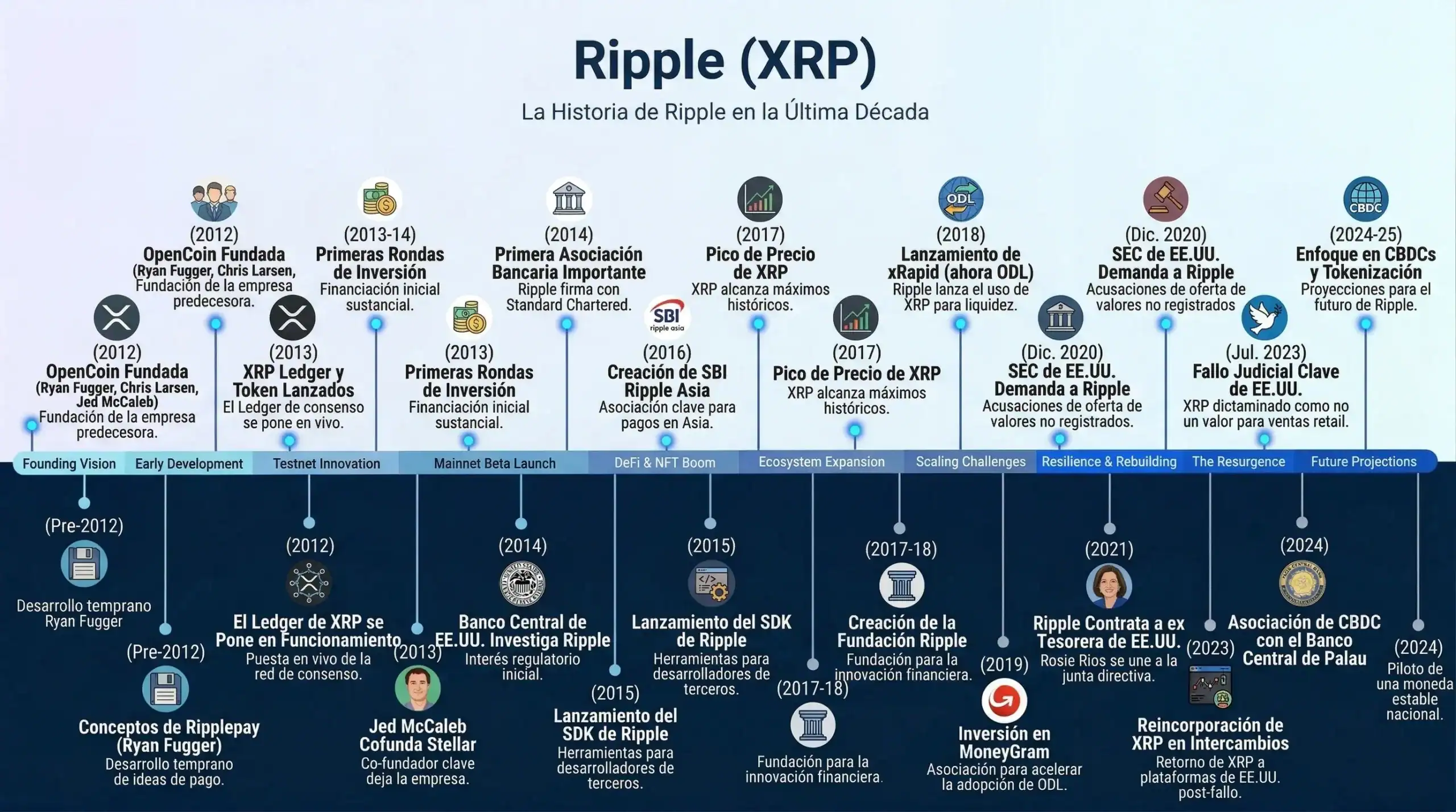
Ripple
Private company that develops software for banks. The two most important software are xCurrent that does not make use of XRP and xRapid that makes use of XRP as a 'source liquidity' method. XRP is the crypto asset that operates autonomously within the company's infrastructure and could operate autonomously if Ripple disappear or dispose of this digital currency.
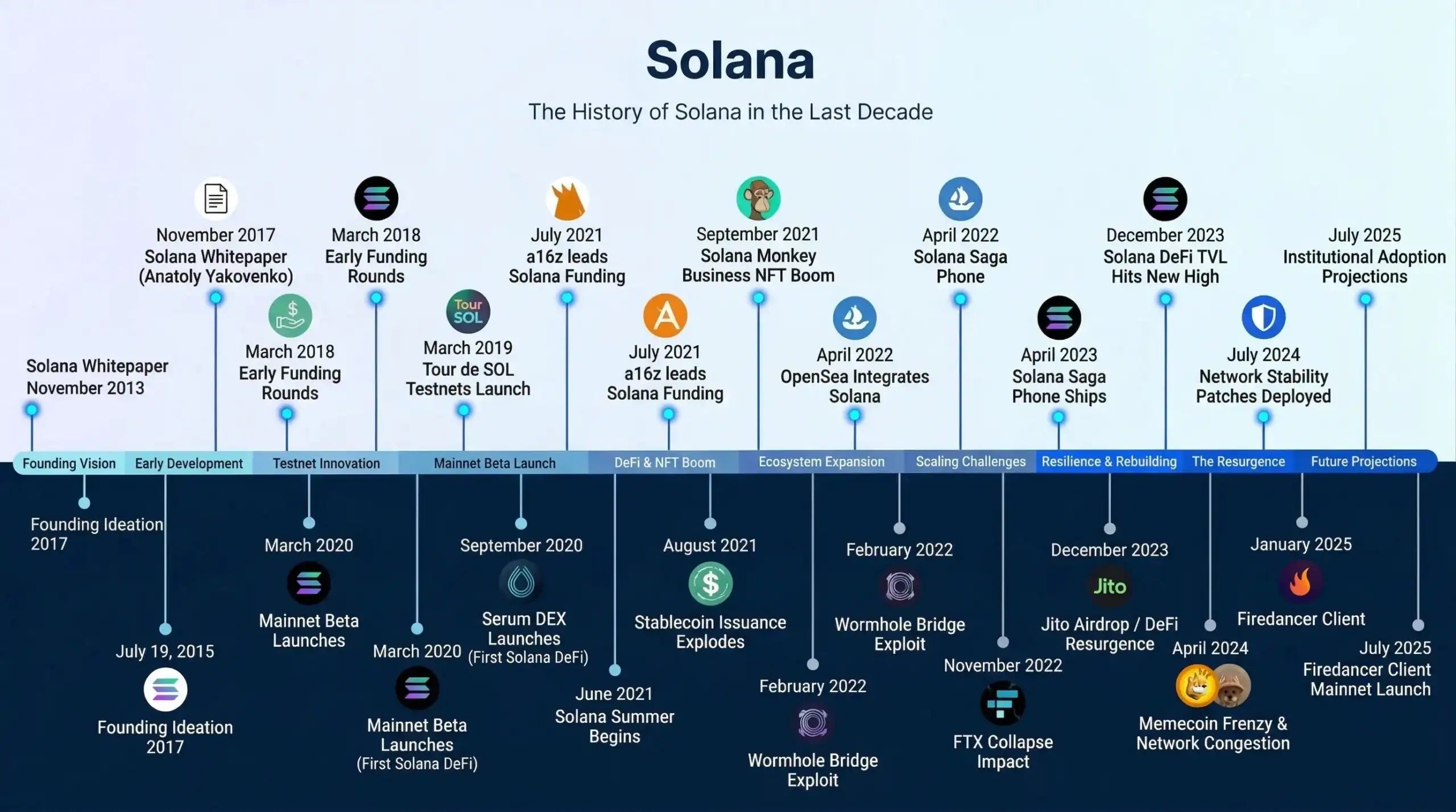
Left (LEFT)
If Ethereum is the global computer, Solana is the race car of the ecosystem. Do we really need a network that processes 60.000 transactions per second? If we want everyday mobile payments to be instantaneous, the answer is a resounding yes.
Its architecture is different from what we're used to; it uses a timestamp system called Proof of History. This allows nodes to communicate less to reach an agreement, which speeds up the process dramatically. It's the preferred network for those looking for low fees and a user experience that doesn't leave you waiting in front of your computer screen while a block is confirmed.
Chainlink (LINK)
A perfect smart contract is useless if it doesn't know what's happening in the real world. Blockchain networks are, by definition, isolated islands. Chainlink solves this by acting as a data bridge or "oracle."
How does an insurance company know a flight has been delayed in order to compensate the passenger? How does a lending platform know the exact price of an asset in real time? Chainlink handles this decentralized delivery of that information. Without this protocol, most digital finance would be useless, as it would lack reliable data on which to run its algorithms. It's the glue that binds code to reality.
The downside of alternative assets: Risks and drawbacks
Navigating the cryptocurrency ecosystem beyond Bitcoin is, in many ways, like walking through a financial minefield. While the possibility of finding a project with groundbreaking technology is real, most users are often blinded by the promise of quick returns without understanding what they're getting into. This isn't pessimism; it's technical realism. A token that shines on social media today can be worthless tomorrow if its architecture can't withstand a stress test or if its founders decide to disappear with the liquidity.
Volatility and the mirage of liquidity
The first dose of reality comes with volatility. If Bitcoin seems unstable, alternative assets are in a completely different league. With much smaller market capitalizations, any move by a "whale" can send the price plummeting by 40% while you sleep.
But the real danger isn't just the price dropping, but the inability to sell. Many of these projects suffer from a chronic lack of liquidity on exchanges. What good is it if your mobile balance says you have €10.000 if, when it comes down to it, there's no one on the other end willing to buy it? In the end, you're stuck with an asset nobody wants.
The regulatory and technical labyrinth
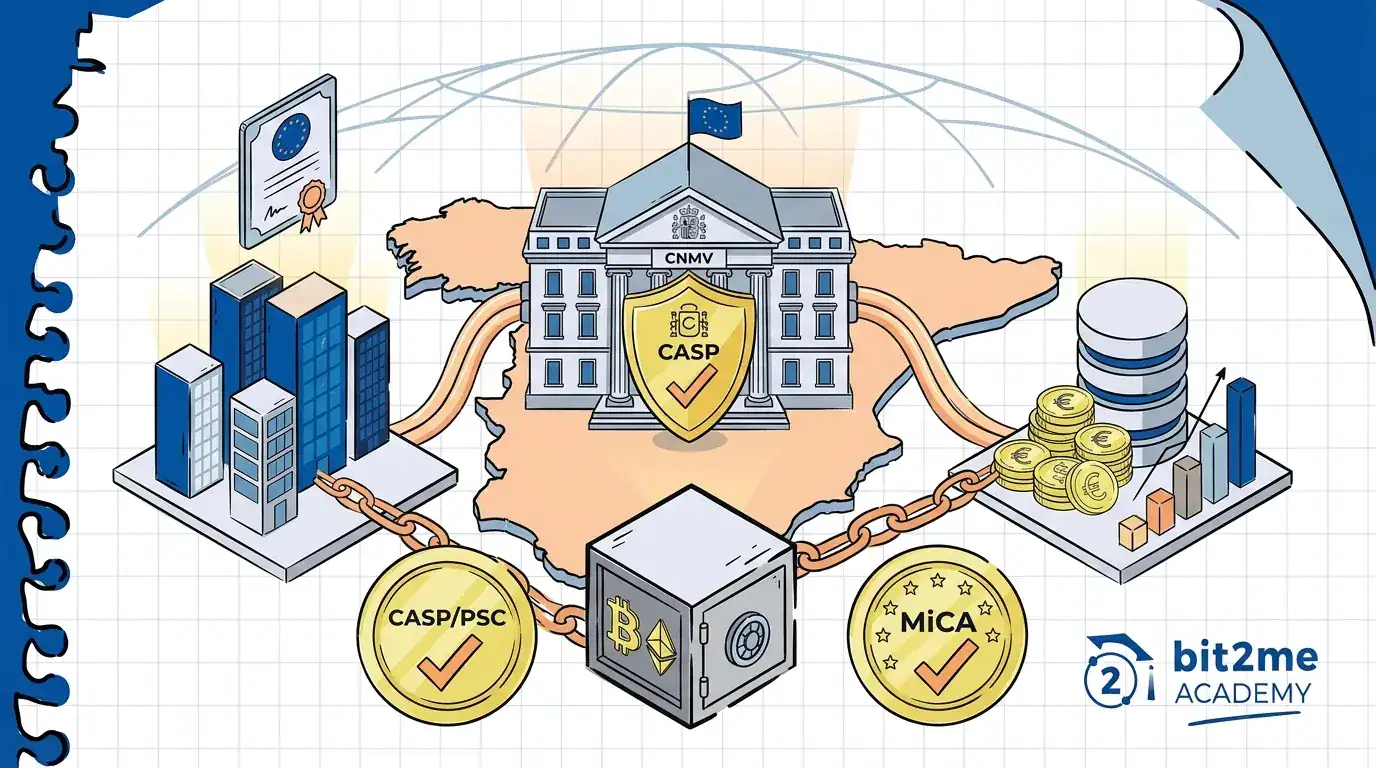
At this point in 2026, the pressure from international organizations is suffocating. What was once a legal loophole is now a strict set of regulations that can knock your favorite project out of the game in a matter of hours. If a token doesn't comply with the guidelines, exchanges remove it from their listings and its value evaporates.
Added to this is the fragility of the code. Launching a digital asset is relatively simple, but thoroughly auditing it is another story. We're tired of seeing protocols that promised to be the future of finance end up worthless due to a flaw in a smart contract that an attacker exploited in ten minutes from their computer. In this sector, a syntax error in the code isn't just a bug; it's the total loss of your assets.
Real incentives or pure marketing?
Do we really need ten different protocols to do exactly the same thing? Probably not. Much of the current ecosystem is saturated with solutions that don't aim to solve a real problem, but simply to raise capital through empty narratives.
Before connecting your wallet to any new platform, you should ask yourself if that token has any real-world utility or if it only exists for early investors to sell their positions to latecomers. Due diligence isn't optional; it's your only shield in a market that doesn't forgive naiveté.
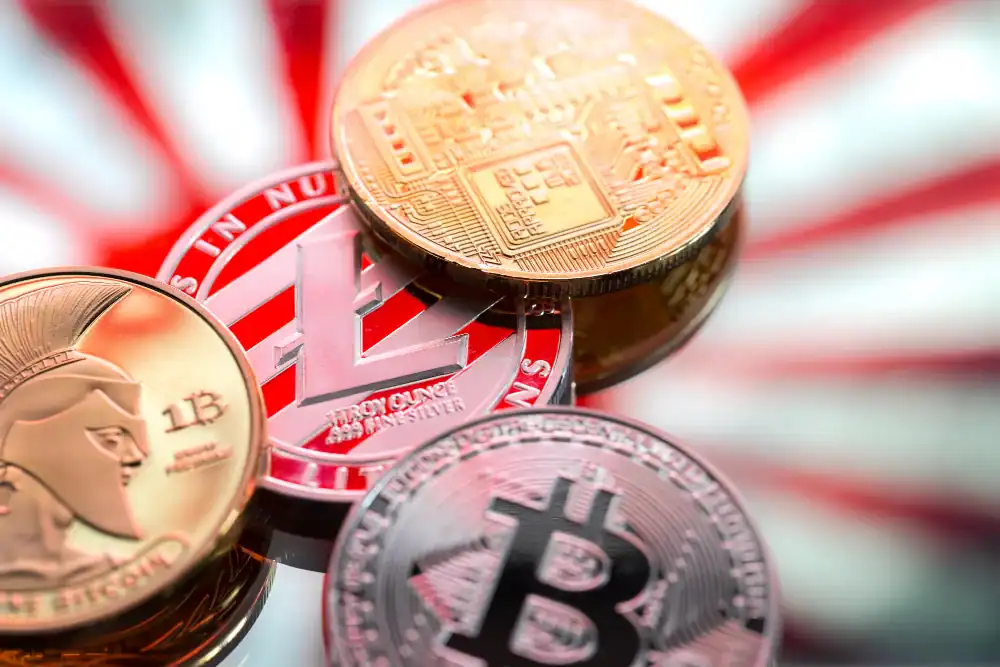
Extreme Volatility: An Emotional and Financial Roller Coaster
One of the most notable and often discouraging characteristics of altcoins is their heightened volatility compared to more established assets, and even Bitcoin. While Bitcoin can experience significant swings, altcoins, especially those with smaller market capitalizations (known as "small-cap" or "micro-cap" altcoins), can see their prices multiply or fall by half in a matter of hours or days.
This extreme fluctuation is due to several interconnected factors:
- Low liquidity: Many altcoins operate with considerably lower trading volumes than Bitcoin or Ethereum. This means that a relatively small buy or sell order can have a disproportionate impact on the price. The lack of market depth makes them more susceptible to sudden movements.
- Speculation and Hype: The altcoin market is heavily influenced by speculation, trending narratives, and market sentiment. Positive news, mentions from influencers, or anticipation of a new development can artificially inflate prices, only for them to collapse when interest wanes or the project's limitations are revealed.
- News and project development: The success or failure of an altcoin is intrinsically tied to the development and adoption of its underlying technology. Any delay in the roadmap, a security breach, or negative news about the team or the technology can trigger massive sell-offs.
- Market manipulation: Due to their lower market capitalization and liquidity, some altcoins are more susceptible to manipulation schemes such as pump and dump, where a group coordinates massive buying to inflate the price and then abruptly sells off, leaving investors behind with significant losses.
For the average investor, this volatility translates into a highly stressful experience and often substantial losses if not managed properly. It requires an exceptionally high risk tolerance and a well-defined investment strategy based on research, not emotion.
Regulatory labyrinth, uncertainty and legal risk
The crypto regulatory landscape remains an evolving global battleground, and altcoins are at the forefront of this uncertainty. Unlike Bitcoin, which is often considered a digital commodity, many altcoins could be classified as securities by regulators, such as the SEC in the United States. This classification has profound and complex implications.
If an altcoin is considered a security, issuers and the exchanges that support it must comply with strict regulations, including:
- Registration and compliance: Projects issuing tokens considered securities must register with regulatory bodies and comply with disclosure and transparency regulations. Failure to comply can lead to multimillion-dollar fines and severe legal action.
- Delisting Risk: Exchanges that list altcoins that are later declared unregistered securities face the risk of being forced to remove them from their platforms. This can cause instant illiquidity and a drastic drop in the price of the affected token.
- Uncertainty for the investor: Investors in altcoins considered unregistered securities may face risks of loss due to regulatory action. The lack of legal clarity can deter institutional investment and hinder widespread adoption.
- Jurisdictional differences: Regulations vary greatly from country to country. What is legal and accepted in one jurisdiction may be completely prohibited or strictly regulated in another, creating a challenge for global projects and exchanges.
This lack of a clear and uniform regulatory framework creates an environment of risk and unpredictability for altcoin projects and their investors. Any regulatory announcement or action can have an immediate and severe impact on the altcoin market.
Security flaws and vulnerabilities
The code that underpins altcoins is susceptible to bugs and vulnerabilities. Hacker attacks, smart contract flaws, or problems with the blockchain architecture can result in the loss of funds, disruption of operations, or compromise of the project's integrity. The history of the crypto market is rife with examples of hacks on exchanges or DeFi protocols that have directly affected holders of certain tokens.
- Competition and technological obsolescence: The altcoin space is incredibly competitive. New projects are constantly emerging with supposedly superior technologies or more efficient solutions. An altcoin that seems innovative today may become obsolete tomorrow if it doesn't adapt, improve, or if a competitor launches a more attractive alternative. The lack of a "network effect" comparable to that of Bitcoin or Ethereum also makes it difficult for many altcoins to establish themselves.
- Interoperability issues: In an ecosystem increasingly seeking connectivity between different blockchains, a lack of interoperability can be a significant obstacle. If an altcoin can't communicate or seamlessly transfer value with other major networks, its utility and adoption potential are limited.
- Real-world adoption and utility: Ultimately, the long-term value of an altcoin depends on its ability to achieve real adoption and provide tangible utility. Many altcoin projects promise to solve complex problems, but few make it past the concept phase and into widespread user or business adoption. The lack of practical, validated use cases is an inherent risk for most altcoins.
- Team and governance: The quality and experience of the team behind an altcoin, as well as its governance structure, are critical. Inexperienced teams, a lack of transparency, or centralized and opaque governance models can be major red flags. Projects that rely excessively on a few key developers or lack an active and engaged community often have an uncertain future.
Investment Risk: Human Factor and Due Diligence
Even if an altcoin has solid technology, a competent team, and a relatively clear regulatory environment, the investment risk remains high due to human factors and the imperative need for thorough due diligence.
- FOMO (Fear Of Missing Out) Effect: The fear of missing out on the next big opportunity drives many investors to buy altcoins without proper research, relying on recommendations or trend-following. This is one of the biggest capital killers in the crypto space.
- Difficulty in research: Evaluating an altcoin's technical viability, business model, tokenomics, and team track record can be a daunting task, especially for novice investors. Information can be technical, scattered, or even misleading.
- Risk of scams: Unfortunately, the altcoin space attracts scammers who create fraudulent projects with the sole purpose of stealing funds. The regular launch of new altcoins, often through Initial Coin Offerings (ICOs) or similar events, presents opportunities for "rug pull" schemes or false promises.
- Concentration of ownership: In some altcoins, a large proportion of the tokens are held by a small number of "whales" or by the team itself. This can give them disproportionate power to influence the price or governance decisions, increasing the risk for small investors.
FAQ – What are altcoins?


 Author