Essential Points
- Breakdown of Consensus: This is a mandatory update and is incompatible with previous versions. If you don't update your node or wallet software, you will be removed from the main network.
- Divergence of Paths: By changing the code rules, the chain splits in two. Both share the past history, but write a completely different future with their own tokens.
- Motivations: They are run to patch critical security bugs or to resolve ideological disputes about how the protocol should scale.
- The real example: The split between Bitcoin and Bitcoin Cash. While the former prioritizes security with small blocks, the latter sought speed by increasing block size. Currently, this mechanism is the ultimate governance tool in the cryptocurrency ecosystem.
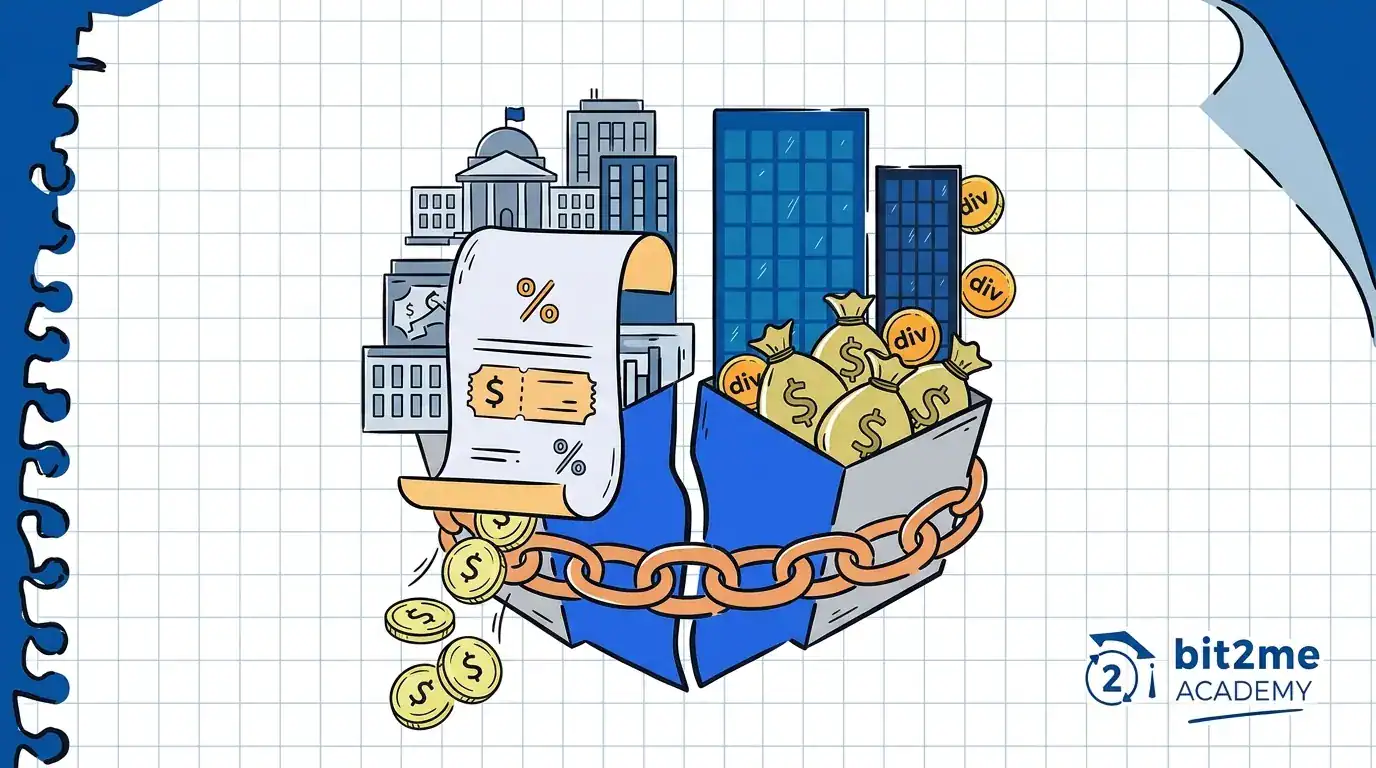
A hard fork isn't just a simple software update you download to your phone and forget about. It's a drastic change to the rules of the game. When the nodes of a network decide to modify the protocol in such a way that the new version becomes incompatible with the previous one, the blockchain is irreversibly split in two.
If you don't update your client, you'll be left behind. It's that simple. Unlike the soft forksWhere the system maintains some backward compatibility, here we're talking about a complete breakdown of consensus. What does this mean for us? Basically, that we must choose sides if we want our digital assets to continue operating on a valid network.
Why force a break in the network?
Sometimes, the code fails. In those cases, a hard fork acts like emergency surgery to correct errors that jeopardize the integrity of cryptocurrencies. Other times, the reason is purely ideological or technical: one part of the community proposes an improvement that the other half completely rejects.
Imagine you're hiking with your friends in the mountains. As long as you're all walking along the same trail, you share the same view and the same destination. But suddenly, you reach a fork in the path. If the group splits up, each side will have a different experience from that point on, even though both perfectly remember the route taken up to the turn. The same thing happens with blockchain technology: the past transaction history is inherited, but future paths are completely independent.
The Bitcoin Cash Case: A Divorce Foretold
The clearest example of this phenomenon can be found in the Bitcoin network. For years, the community debated how to scale the network to process more transactions per second. Faced with this lack of agreement, Bitcoin Cash was born, a token that decided to take its own path by prioritizing block capacity.
- BitcoinIt maintains 1MB blocks, prioritizing security and extreme decentralization, which limits its processing capacity to a few transactions per second.
- Bitcoin CashThey opted to increase the block size to 32MB. This achieves greater speed, yes, but at the cost of further centralizing the node infrastructure.
Is a fast network better than an ultra-secure one? There's no single answer. What is undeniable is that, after a hard fork, the market and users dictate which proposal survives the test of time. Currently, we see how these forks define project governance, forcing us to pay close attention to every repository update if we don't want our tokens to end up on a ghost chain.

FAQ – What is a Hard Fork?



 Author