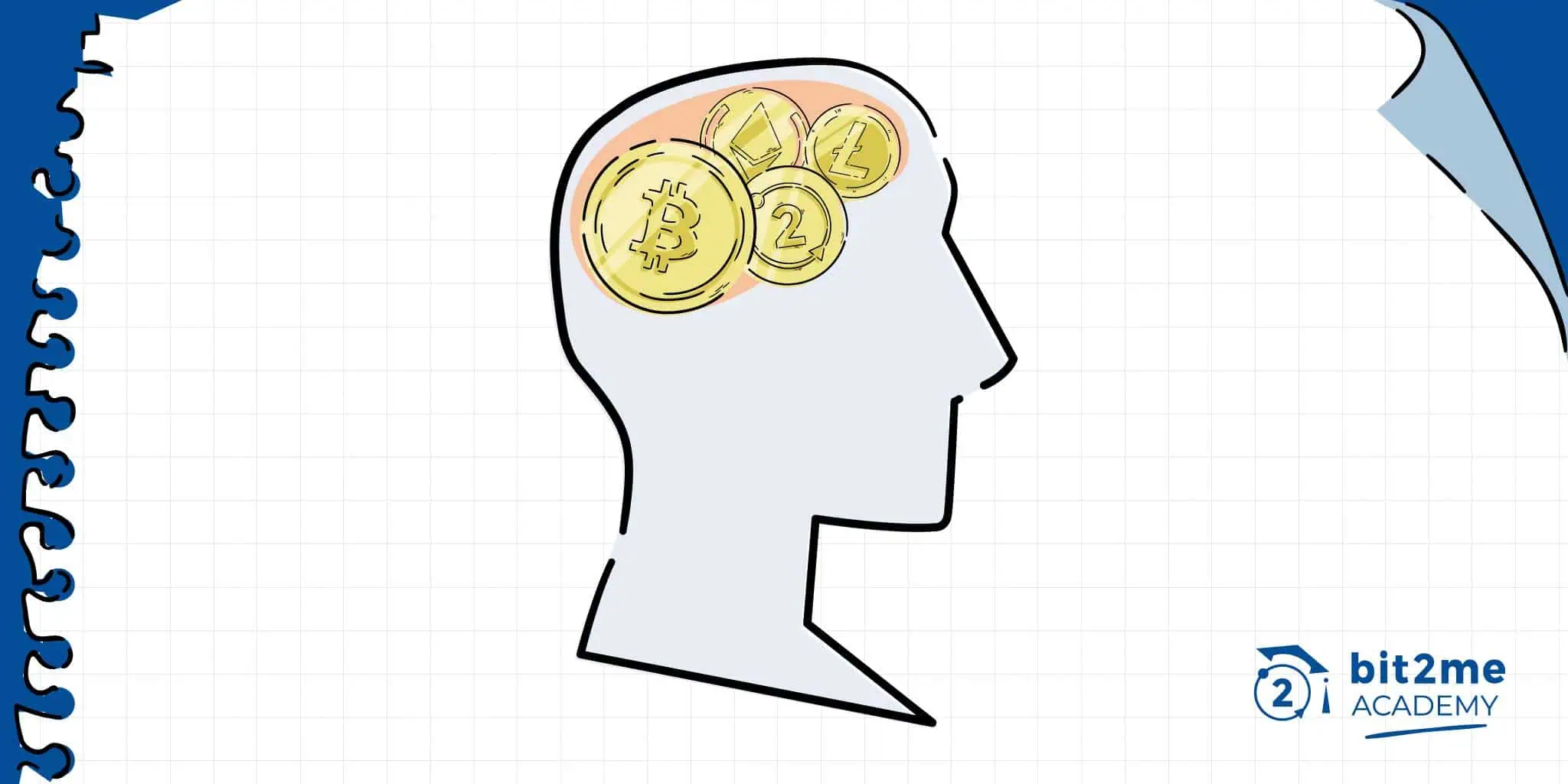
- The psychological factor is key: In a 24/7 and highly volatile market, managing emotions like FOMO (fear of missing out) and FUD (fear and doubt) is just as important as technical analysis to avoid mental burnout.
- Health impact: Constant exposure to price fluctuations can lead to anxiety disorders, insomnia, and, in severe cases, addictive behaviors similar to those of pathological gambling.
- The importance of boundaries: Establishing a risk management strategy (such as using Stop-Loss orders) and defining disconnection times are essential barriers to protecting your emotional well-being and your capital.
- Responsible investment: Long-term success doesn't depend on predicting the market, but on maintaining a resilient mindset, diversifying your interests outside the crypto ecosystem, and never investing money intended for basic needs.
Imagine a world where finance meets emotions on a digital roller coaster. A world where a simple click can trigger euphoria or despair, where market volatility is intertwined with our mental well-being.
Well, welcome to the cryptocurrency universe, a financial playground that, while innovative and promising, also presents significant challenges to our mental health. In this article, we'll explore how these digital assets can affect our psyches—from the excitement of quick gains to the anxiety of sudden losses—and how to navigate this landscape with balance and awareness.
The rise of cryptocurrencies and their psychological appeal
Cryptocurrencies have burst onto the global scene with the promise of decentralization, transparency, and, above all, unprecedented financial opportunities. Bitcoin, Ethereum, and other digital currencies have captured the imagination of investors around the world, attracting both financial experts and curious novices.
However, this appeal goes beyond the purely economic; it touches deep psychological fibers that can influence our decisions and emotional well-being.
The promise of quick enrichment
One of the main attractions of cryptocurrencies is the possibility of making substantial profits in a relatively short period of time. Market volatility, while risky, offers the promise of quick returns, which is especially appealing to those looking for an "easy profit."
It is precisely this desire for quick enrichment that can lead to compulsive behavior and excessive risk-taking, fueling a potential addiction to trading financial assets.
The search for intense emotions
For some people, investing in cryptocurrencies provides a source of excitement, adventure, and risk that can be rewarding.
The feeling of euphoria experienced when making a profit or engaging in risky financial transactions can lead to a constant search for intense emotions, which, in turn, can trigger addictive behaviors.
Technological innovation and vision of the future
Blockchain technology, which underpins most cryptocurrencies, represents a disruptive innovation that attracts visionaries and tech enthusiasts.
And investing in cryptocurrencies can feel like being part of a technological revolution, an opportunity to participate in building a new financial system. This feeling of being at the forefront can be especially appealing to those seeking a sense of purpose and belonging.
The power of success stories
Stories of people who have become millionaires by investing in cryptocurrencies are a powerful psychological driver. These narratives can create the illusion that success is within everyone's reach, fueling hope and the desire to replicate those gains.
However, it's important to remember that these stories are often the exception rather than the rule, and that the reality of cryptocurrency investing can be much more complex and challenging.
The psychological impact of volatility
On the other hand, volatility is an inherent characteristic of the cryptocurrency market. Prices can fluctuate drastically in a matter of hours, creating both opportunities for profit and risks of loss. This volatility can have a significant impact on investors' mental health, triggering a range of emotions and behaviors.
Fear of missing out (FOMO)
FOMO (Fear of Missing Out) is a powerful emotion that can lead investors to make impulsive decisions based on the fear of missing out on a profitable opportunity. When cryptocurrency prices rise rapidly, FOMO can lead people to invest without proper research, simply out of fear of being left behind.
Fear, Uncertainty, and Doubt (FUD)
FUD (Fear, Uncertainty, and Doubt) is a strategy that involves spreading negative information or misinformation with the aim of generating fear and doubt among investors. This tactic can lead to massive sell-offs and price crashes, creating a vicious cycle of panic and losses.
Anxiety and stress
The constant fluctuation of prices can generate anxiety and stress in investorsThis is especially true for those who obsessively monitor their investments. Constant worry about portfolio performance, uncertainty about the future of the market, and fear of losing money can negatively impact psychological well-being.
Specialists such as the Dr. Damián Álvarez Durán, They make it clear that "trading is a highly demanding activity that requires technical skills, discipline, and great emotional strength." A reminder of how important it is to take care of your health in this type of sector.
Depression and insomnia
Significant losses can trigger feelings of depression, hopelessness, and even insomnia. Obsessing over prices and the state of the markets can interfere with sleep and negatively affect mood and quality of life.
Cryptocurrency Addiction: A Real Danger
As with other forms of addiction, cryptocurrency addiction manifests as a compulsive and uncontrolled pattern of behavior in which a person invests excessive amounts of time, money, and energy into buying and selling financial assets.
This addiction can have serious consequences for physical, mental, and emotional health, as well as for personal relationships, job performance, and overall financial situation.
Signs of addiction
Some of the signs that may indicate cryptocurrency addiction include:
- Constant need to monitor prices.
- Inability to stop trading despite significant losses.
- Feeling of euphoria or excitement when performing financial transactions.
- Restlessness or irritability when trying to reduce the amount of time spent using cryptocurrencies.
- Lying to others about the amount of time or money spent on cryptocurrency.
- Using cryptocurrencies as a way to escape life's problems or improve your mood.
Causes of addiction
There are multiple factors that can contribute to the development of cryptocurrency addiction, including:
- Search for intense emotions.
- Desire for quick enrichment.
- Social pressure and comparison with others.
- Ease of access to online trading platforms.
- Cryptocurrency price volatility.
- Dissemination of investment information and advice on social media and the media.
Consequences of addiction
Cryptocurrency addiction can have multiple negative consequences on a person's life, including:
- Financial problems: Significant losses, accumulated debts, and inability to properly manage financial resources.
- Impact on mental health: Anxiety, depression, irritability, insomnia, and other stress-related problems.
- Interpersonal problems: Conflicts with family, friends, or partners due to the time and attention devoted to investing.
- Deterioration in job performance: Decreased productivity and absenteeism due to cryptocurrency obsession.
 Certificate
Strategies to protect your mental health when investing in cryptocurrencies
Investing in cryptocurrency can be an exciting and potentially lucrative endeavor, but it's critical to do so consciously and responsibly to protect your mental health. Here are some strategies that can help you maintain balance:
Education and knowledge
Before investing, take the time to educate yourself about the cryptocurrency market, blockchain technology, and the associated risks. The more you know, the better equipped you'll be to make informed decisions and avoid falling into emotional traps.
Set clear boundaries
Set clear limits on the time and money you're willing to invest. Set realistic goals and follow a well-structured investment plan to avoid impulsiveness and excessive risk.
International
Don't put all your eggs in one basket. Diversify your investments across different cryptocurrencies and other financial assets to reduce risk and minimize the impact of potential losses.
emotional management
Learn to recognize and manage your emotions when investing. Avoid making impulsive decisions based on fear, greed, or FOMO. Stay calm and objective, and remember that volatility is part of the game.
Digital hygiene
Set "tech-free" schedules and limit the time you spend monitoring prices and checking cryptocurrency-related news. Unplug regularly to reduce stress and anxiety.
Social support
Share your experiences and concerns with friends, family, or online communities. Social support can help you maintain perspective and avoid isolation.
Seek professional help
If you feel like you're losing control or that investing in cryptocurrencies is negatively affecting your mental health, don't hesitate to seek professional help. A psychologist or therapist can provide support, guidance, and specialized treatment.
The psychology of the cryptocurrency market
The cryptocurrency market isn't governed solely by economic and technological factors; investor psychology plays a crucial role in determining prices and trends. Understanding this psychology can help you make more informed decisions and avoid falling into common traps.
Cognitive biases
Cognitive biases are irrational thinking patterns that can influence our investment decisions. Some of the most common biases in the cryptocurrency market include:
- Confirmation bias: Seeking information that confirms our preexisting beliefs and ignoring information that contradicts them.
- Overconfidence bias: Overestimating our abilities and knowledge, which can lead to excessive risk-taking.
- Herd mentality: Following the actions of the majority, even if they are not supported by rational analysis.
Market manipulation
The cryptocurrency market is susceptible to manipulation, both by individuals and organized groups. Some of the most common manipulation tactics include:
- Pump and dump: Artificially inflating the price of a cryptocurrency and then selling it at a high price, leaving other investors with a loss.
- Spoofing: Creating fake orders to manipulate prices and deceive other investors.
- Wash trading: Buying and selling the same cryptocurrency repeatedly to create the illusion of activity and attract other investors.
The role of social media
Social media is playing an increasingly important role in the cryptocurrency market. Platforms like Twitter, Telegram, and Reddit have become hubs for cryptocurrency information, discussion, and promotion. However, they can also be sources of misinformation, rumors, and manipulation.
Prevention and treatment of cryptocurrency addiction
Prevention is essential to avoid falling into cryptocurrency addiction. Some preventative measures include:
- Set clear and realistic limits on the time and money dedicated to investing.
- Diversify investments and avoid excessive exposure to price volatility.
- Look for alternative activities that provide satisfaction and emotional well-being.
- Maintain healthy social relationships and avoid isolation.
If you are experiencing difficulty managing cryptocurrency addiction, it is important to seek professional help. Cognitive behavioral therapy, psychotherapy, and other therapeutic interventions can be effective in addressing the emotional and behavioral aspects of addiction.
Keys to emotional resilience
At the same time, if your job depends on these types of activities, keep these keys in mind to improve your quality of life and resilience:
- Establish mandatory "Disconnection Hours": The crypto market operates 24/7, but the human brain doesn't. It defines specific time slots (for example, after 10:00 PM) to turn off notifications and avoid the constant price scrolling before bed, thereby reducing cortisol levels and improving sleep.
- Automate to eliminate cognitive bias: Use tools like Dollar Cost Averaging (DCA) and Stop-Loss orders. By automating market entry and exit, you delegate the decision to a logical system, preventing fear or euphoria from dictating your financial movements.
- Difference between investment and equity: It's vital to remember that your portfolio's performance doesn't define your personal success or intellectual capacity. Maintaining a social life, hobbies, and goals outside the Web3 environment helps cushion the psychological impact during bear markets.
- Identify the physical signs of stress and don't ignore them: Learn to recognize how your body reacts to volatility (rapid heartbeat, jaw clenching, or sweating). Before performing any task in that state, apply the 10-minute rule: step away from the screen to allow your prefrontal cortex to regain control over the amygdala.
Conclusion
Cryptocurrencies are here to stay, transforming the financial landscape and presenting new opportunities and challenges. While these digital assets can be a powerful tool for investment and innovation, it's also crucial to recognize their potential impact on our mental health.
By understanding the psychological factors that influence our decisions, setting clear boundaries, and seeking support when needed, we can navigate this exciting world with awareness and balance, protecting our emotional and financial well-being.

 Author