Essential Points
- Increasingly, financial committees are evaluating whether crypto assets provide diversification to the corporate balance sheet, not a promise of profitability.
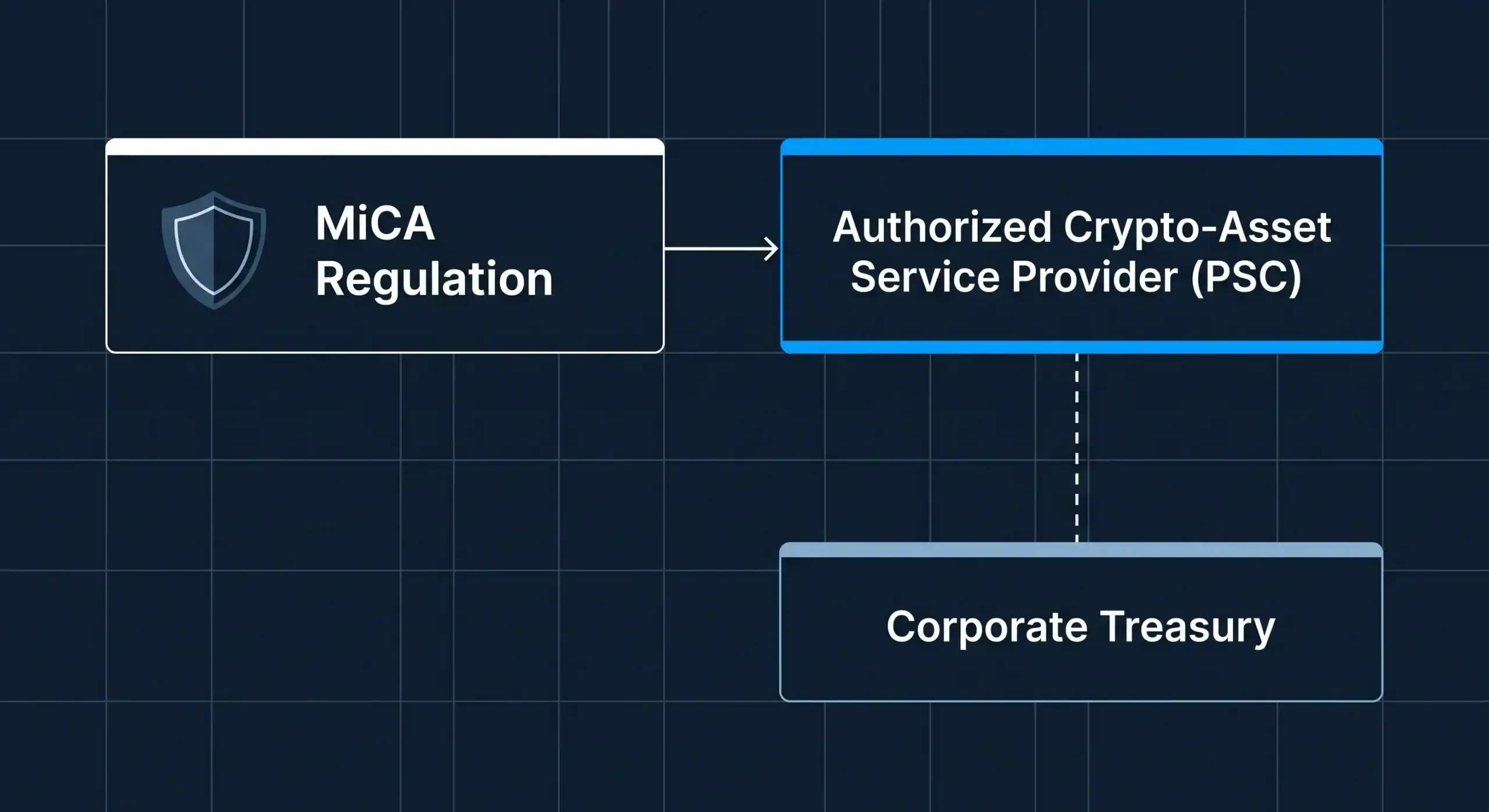
- The MiCA framework regulates crypto asset service providers, not the company's internal decision, but it conditions who can be traded with.
- Institutional stewardship and internal controls are often the point where most projects slow down before reaching the board.
- The accounting and tax treatment of these assets requires prior coordination between finance, auditing and specialized tax advice.
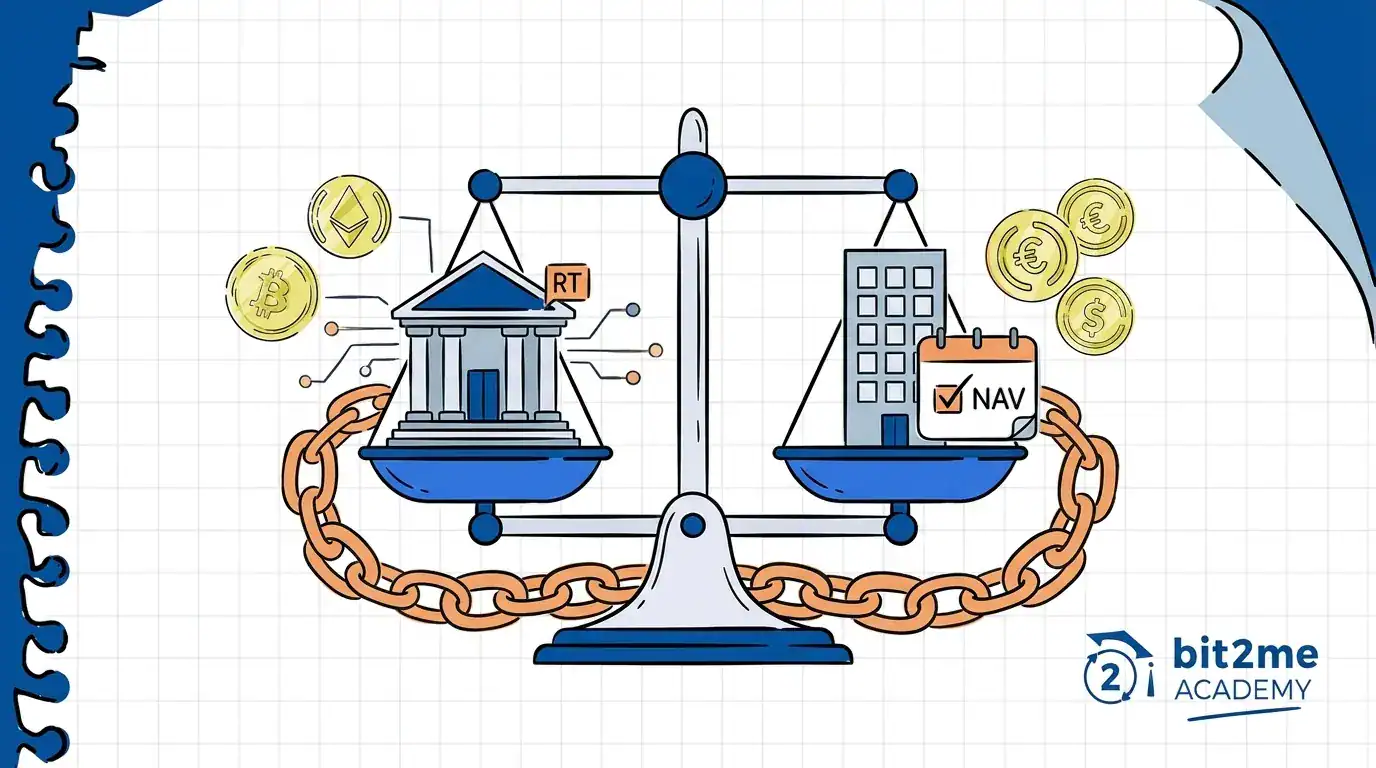
Managing excess cash is no longer solely a banking decision. A growing number of European financial departments are analyzing, within their investment and risk policies, whether it makes sense to allocate a limited portion of their balance sheet to crypto assets, alongside traditional treasury instruments. This debate stems not from a promise of profitability, but from a broader question about diversification, asset correlation, and balance sheet risk management in an environment of fluctuating interest rates.
This article is aimed at CFOs, treasury managers, and finance directors who want to understand, rigorously and without commercial jargon, what it means to evaluate the treasury of cryptocurrency companies from an operational, accounting, and regulatory perspective. The framework is addressed. Mica Applicable to corporate holdings, institutional custody, high-level accounting implications, necessary internal governance, and a checklist for getting started. The aim is not to prescribe a decision, but to provide the analytical framework a finance committee would need before raising the issue with the board.
Cryptocurrency treasury for companies: why this conversation arises in the finance committee
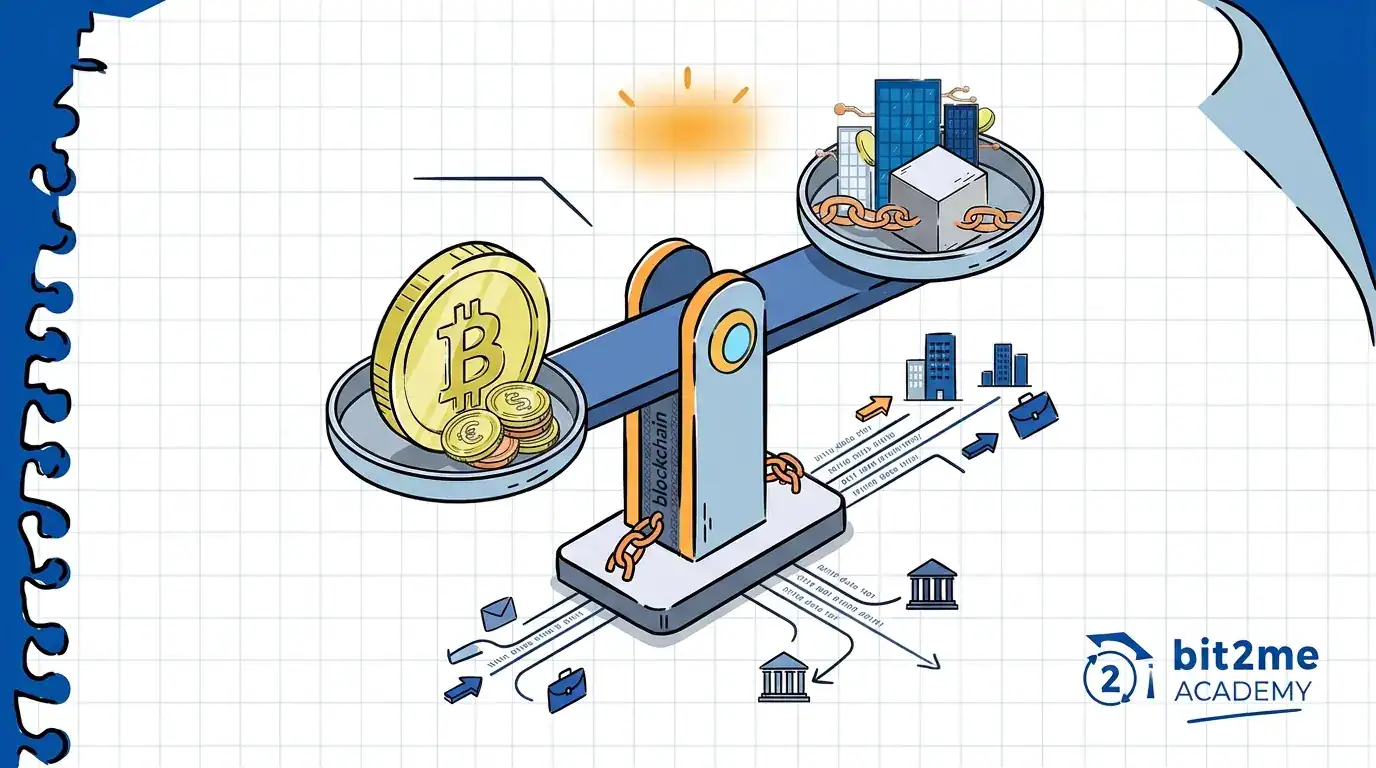
The predominant motivation among companies studying this move is not the pursuit of speculative returns, but rather balance sheet diversification. A finance department managing cash surpluses typically faces a high concentration in bank deposits and short-term fixed-income instruments, which are highly correlated. Incorporating an asset class with a structurally different behavior can, in theory, reduce the overall correlation of the cash portfolio, without implying any expectation of specific appreciation.
It's important to distinguish between two conversations that are often conflated in the mainstream press. One is about individuals buying Bitcoin or other cryptocurrencies as part of their personal savings. The other, different in objectives, regulatory framework, and required controls, is about a legal entity deciding whether a portion of its operating balance sheet can include cryptocurrencies. In the latter case, any serious analysis begins with the internal investment and risk policy, not with the asset's media appeal.
The reasons typically cited by finance committees that initiate this debate include hedging against long-term monetary dilution, exposure to an asset with a scheduled and verifiable supply, and the desire to understand a technological infrastructure that already impacts suppliers, customers, or competitors in the sector. None of these reasons replaces the risk analysis required for any balance sheet decision. Corporate treasury management, understood as a discipline, demands the same rigor as any other corporate asset allocation decision—neither more lax nor artificially stricter.
It is important to emphasize that this assessment does not constitute an acquisition recommendation. Each organization should evaluate its own liquidity profile, risk tolerance, and operational capacity before considering any move.
Bitcoin in treasury: what differentiates it from other crypto assets
Within the broader debate on corporate crypto assets, Bitcoin in treasury holdings frequently emerges as a benchmark due to three structural characteristics: a programmed and auditable maximum supply, over a decade of uninterrupted network operation, and a level of liquidity in regulated markets superior to that of most alternative crypto assets. These characteristics make it the digital asset most analyzed by financial committees studying this type of allocation, without implying any assessment of its future price behavior.
Other crypto assets, such as ether or certain regulated stablecoins, appear in corporate treasury discussions for different purposes: managing international payments, providing operational liquidity on decentralized platforms, or hedging against the euro. Each responds to a different use case and requires its own risk analysis. Treating all crypto assets as a homogeneous category is, precisely, one of the most common mistakes in initial internal analyses.
Any evaluation of Bitcoin in treasury must incorporate, in addition to market analysis, a technical review of how the associated private keys will be stored, what access controls will be in place, and how that storage will be audited by third parties. This issue is discussed in detail in the following section and is usually the point where most internal projects slow down due to a lack of prior preparation.
MiCA regulatory framework applicable to corporate holdings of crypto assets
Regulation (EU) 2023/1114, known as MiCA (Markets in Crypto-Assets), is the framework for any Spanish or European company assessing its holdings of crypto-assets on its balance sheet. MiCA does not directly regulate a company's decision to hold crypto-assets as its own assets, but it does strictly regulate the crypto-asset service providers (CSPs) with which that company must operate to acquire, hold, or exchange them. This distinction is important: a company's due diligence must focus on both the asset itself and the regulatory compliance of its providers.
BITCOINFORME, PSC, SL, trading as BIT2ME, is a crypto-asset service provider authorized and regulated by the Spanish National Securities Market Commission (CNMV) in accordance with Article 59 of Regulation (EU) MiCA. Working with a provider authorized under this regime provides the company with a supervisory framework, client asset safeguarding requirements, and transparency obligations that did not exist uniformly before MiCA came into effect in 2024. For a finance department, verifying the MiCA authorization of any counterparty should be a mandatory due diligence step, on par with verifying the creditworthiness of a banking institution.
The MiCA framework also requires authorized entities to maintain capital requirements, business continuity plans, and segregation of client assets from the provider's own balance sheet. This asset segregation is especially relevant for a company considering depositing corporate crypto assets in custody with a third party, as it reduces the risk of those assets being affected by a potential provider insolvency. None of these safeguards eliminate the market risk of the underlying asset, which remains the sole responsibility of the company that decides to hold it.
This regulatory framework is in a relatively recent phase of implementation, and its supervisory criteria are still evolving. Any legal or compliance department involved in this assessment should consider the MiCA framework as a dynamic starting point, subject to further interpretations and technical guidance from the CNMV and European authorities, and not as a closed set of rules.
Institutional custody and internal controls
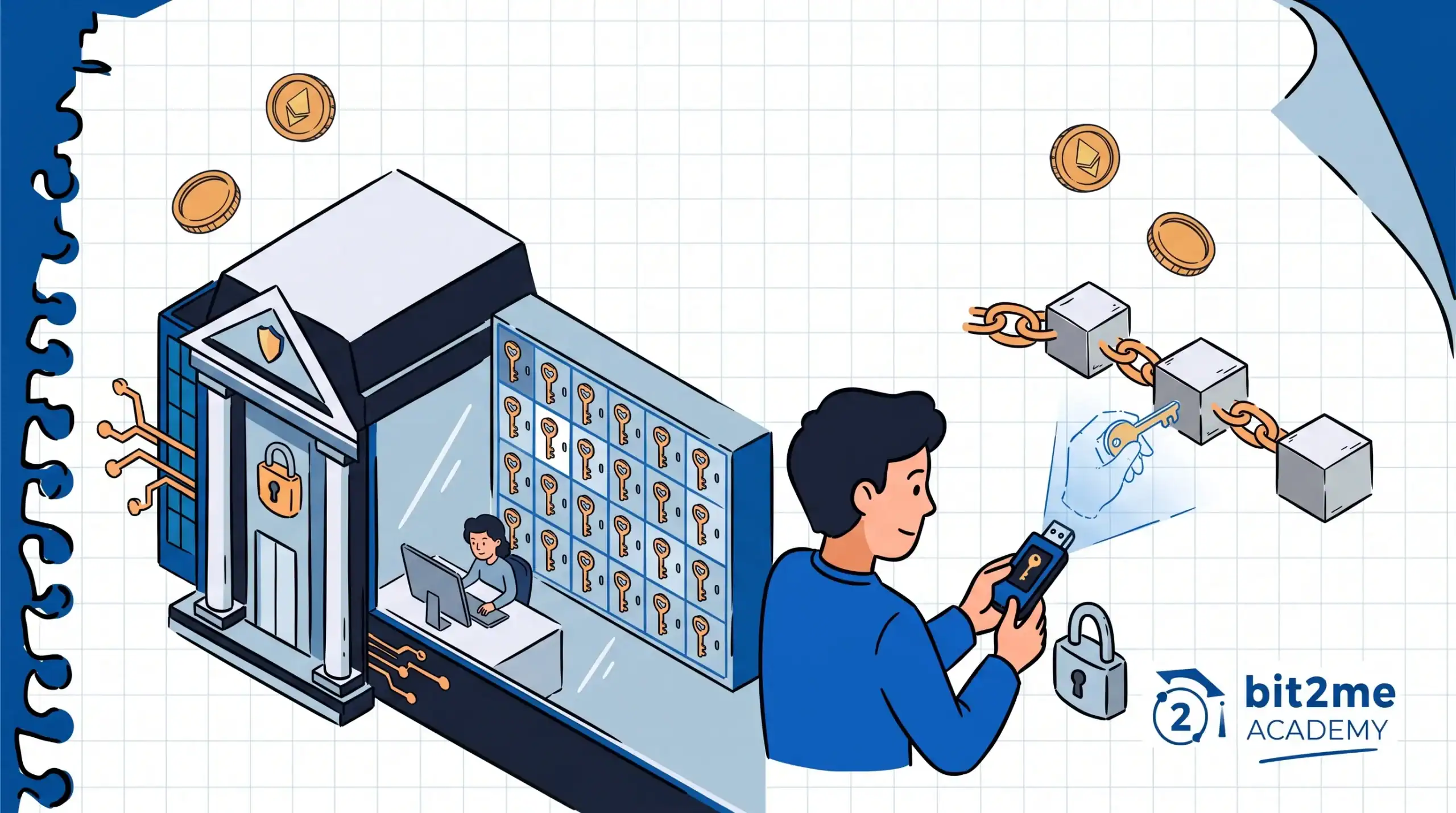
Custody is, in practice, the point where most cryptocurrency treasury projects fail before reaching the board of directors. Unlike a bank deposit, where the responsibility for safekeeping lies with the financial institution, holding crypto assets requires explicitly deciding who controls the private keys associated with those assets and under what procedure transactions are authorized. This decision is not merely technical: it is a governance decision that must be documented in the company's internal policy.
There are different custody models, ranging from self-managed solutions handled by the company's own technical team to custody delegated to a specialized institutional provider, as well as hybrid schemes with multiple signatures (multisig) that require approval from several people for any transaction. Each model implies a different balance between direct control and internal operational risk. A company without prior experience in cryptographic key management assumes, with self-custody, an operational risk that many organizations prefer to partially transfer to an authorized institutional provider.
The minimum internal controls that a finance committee should require before approving any transaction include segregation of duties between the person proposing a transaction and the person authorizing it, an auditable record of all transactions, and a documented recovery procedure in case of loss of access. None of these controls are unique to crypto assets, but their technical implementation in this area requires specialized knowledge that is rarely found natively in a traditional finance department.
This article is based on the specific guide to institutional custody of Bit2Me Academywhere the different key safeguarding models and their operational implications are detailed in greater technical depth. Finance teams evaluating this step can speak with the B2B team at Bit2Me to learn about the institutional custody options available to legal entities and the associated KYB (Know Your Body) requirements.
High-level accounting implications
The accounting treatment of crypto assets on a Spanish company's balance sheet remains a developing area within general accounting standards. The common practice has been to treat them as intangible assets under the Spanish General Accounting Plan (Plan General de Contabilidad), subject to periodic impairment testing. In simplified terms, this approach means that decreases in the asset's value can be recognized as an accounting loss, while increases are not always recognized in the same way until the asset is actually sold. This accounting asymmetry is a factor that any CFO must understand before making a decision, regardless of the asset's market valuation.
The tax implications of acquiring, holding, and eventually disposing of corporate crypto assets depend on the treatment under Corporate Income Tax and the specific reporting obligations for legal entities, which differ from those applicable to individuals. This article does not replace specialized tax advice: any decision to incorporate crypto assets into treasury must be validated beforehand by the tax department or a qualified external advisor. This does not constitute tax advice.
For a detailed accounting and tax analysis, this article refers to the specific guide to crypto asset accounting for businesses. Bit2Me AcademyThis section details the accounting records, periodic valuation, and associated reporting obligations. Early collaboration between the finance department, the external auditor, and the tax advisor significantly reduces the risk of having to revise accounting criteria once the asset is already on the balance sheet.
 Certificate
Governance and internal risk policy
No addition of crypto assets to the treasury should occur without an updated investment and risk policy that explicitly addresses this asset class. This policy must define, at a minimum, the maximum percentage of the balance sheet allocated to crypto assets, the entry and exit criteria, the individuals responsible for implementation, and the body that approves any exceptions. The absence of this prior framework is, in practice, the most frequent red flag detected by external auditors when reviewing these types of transactions.
Governance also requires clearly defining the necessary approval level based on the amount. A minor transaction can be delegated to the treasurer, while any significant movement should require approval from the finance committee or, depending on the company's size, the board of directors. This threshold-based approval scheme is not unique to crypto assets, but its absence in this specific area generates a higher reputational and internal control risk than other, more conventional treasury decisions.
An often-overlooked element of governance is internal training. The finance team that will be working with crypto assets needs to understand, beyond theory, how on-chain transactions function, what an irreversible confirmation means, and why a destination address error is irreversible. Bit2Me Academy It has specific training content for financial teams starting out in this field, complementary to the B2B / Companies content pillar where the rest of the platform's corporate resources are grouped.
Finally, the risk policy should include a procedure for periodic review, not just initial approval. Cryptocurrency markets, MiCA regulations, and institutional custody practices evolve rapidly, and a policy approved two years ago may have become outdated without anyone formally notifying them.
Citable checklist: first steps to incorporate crypto assets into corporate treasury
Before proposing any move to the finance committee or the board, a treasury department should be able to respond in a documented manner to the following points.
- Internal investment and risk policy: there is an approved document that defines the maximum percentage of balance allocated to crypto assets, the entry and exit criteria, and those responsible for each decision.
- Custody: the custody model has been decided (self-managed, delegated to an institutional provider or hybrid with multisig) and the MiCA authorization of the chosen provider has been verified.
- Accounting controls: there is a defined accounting criterion validated with the external auditor for the registration, periodic valuation and eventual impairment test of the asset.
- Applicable MiCA framework: The regulatory authorization of any crypto asset service provider involved in the transaction has been reviewed, including the safeguarding of customer assets.
- Governance: the approval scheme by amount thresholds and the body responsible for the continued monitoring of the position have been defined.
This checklist does not replace individualized analysis of each company or specialized legal, tax, and financial advice tailored to each specific case. Its purpose is to serve as a quotable starting point for a finance department to internally structure the discussion before moving forward. Companies wishing to explore any of these points in greater depth can contact the B2B team at Bit2Me to review the institutional custody framework and operational requirements applicable to legal entities.

Frequently asked questions about corporate treasury in crypto assets



 Author